
There are many options for patients who want to avoid metal braces! The most popular alternative orthodontic treatment is Invisalign®, which are clear plastic aligners designed to straighten teeth. After an examination of your teeth, your dentist will determine which option is best suited to your wants and needs.
According to the Invisalign® website, the cost for treatment is approximately the same as the cost for metal braces. A portion of this cost may be covered by your insurance. Please call us to set up a consultation and discuss potential payment plan options.
The first step is to schedule a consultation with your doctor, so they can devise a treatment plan that is best suited to your individual dental needs. Once approved, you will receive your first set of aligners. Your doctor will then regularly monitor the movement of your teeth and new aligners will be ordered according to the progress made in your treatment plan.

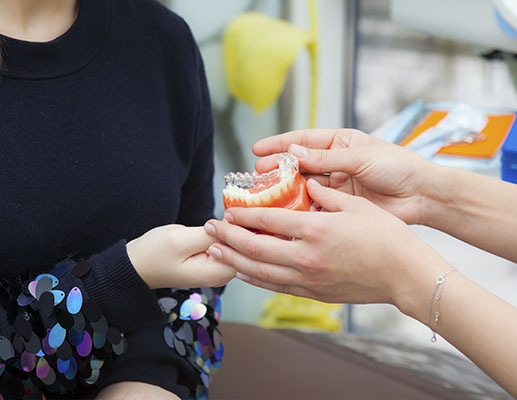
Invisalign® aligners are made of clear, flexible plastic. The company received a patent for this material – SmartTrack® – to be used exclusively for Invisalign® treatment purposes. These aligners are FDA approved and nearly invisible!
Your doctor will give you an estimate regarding how long your Invisalign® treatment should take, which will depend on your specific needs. The average length of time for treatment is approximately 12-18 months. However, some patients may see results far sooner. Remember to wear your aligners exactly as instructed by your doctor to obtain the best results.
Your doctor will most likely recommend that you wear retainers following your Invisalign® treatment. This is a precaution that will prevent your teeth from shifting back to their original positioning. It is important to follow your doctor's instructions exactly to ensure long-lasting results.
You must wear your aligners for up to 22 hours daily. You may remove them for eating, drinking and regular oral hygiene.
No. Unlike braces, you may eat whatever you like as long as you remove the aligners before eating. Prior to placing the aligners back on, it is important to brush your teeth and the aligners after you eat.
Like any orthodontic treatment, there is a short adjustment period. The more you speak with the aligners on, the quicker you will adjust.
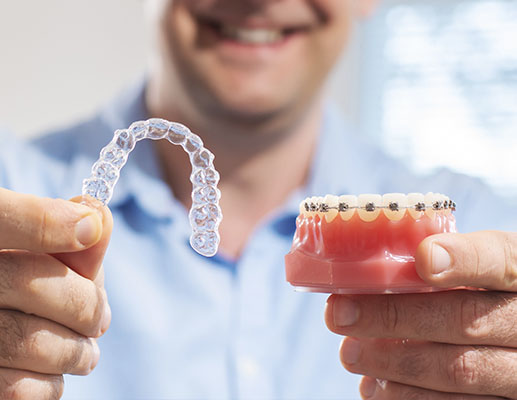
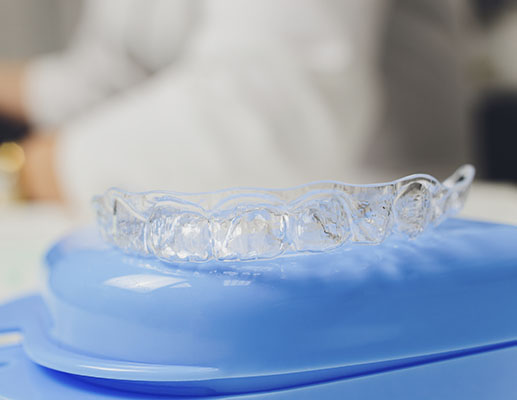
There will be some pressure and minor discomfort for a day or two after each initial insertion. This is a sign that your teeth are moving sequentially into their final position.
It is recommended that you remove your aligners prior to chewing gum as the gum will stick to the aligners.
We discourage smoking with aligners as the cigarette smoke will tend to discolor them.
Brushing them with toothpaste will keep them fresh and clean.
Regular office visits are every five to six weeks. This will ensure that your Invisalign® treatment is progressing as planned.
All orthodontic patients are instructed to wear their retainers at night indefinitely. Sleeping with your retainers in at night will ensure a healthy bite and maintain the new position of your teeth.
Yes, if their teeth, including second molars, have grown in completely.
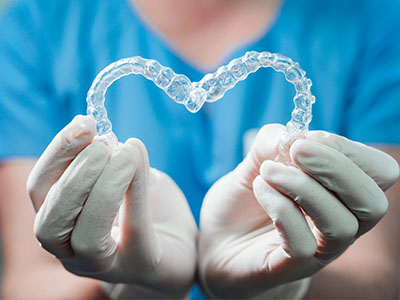

We provide comprehensive general dentistry including dental exams, professional cleanings, sealants, fluoride treatments, night guards and preventive care to maintain healthy smiles.
We recommend regular dental checkups and professional cleanings to detect early issues, prevent disease, and maintain oral health over time.
Dental exams include evaluation of teeth, gums, bite, and oral tissues, combined with digital imaging when needed for accurate diagnostics.
Yes — our professional dental cleanings remove plaque and tartar buildup and help prevent gum disease while promoting a brighter, healthier smile.
Our preventive program includes cleanings, exams, fluoride treatments, sealants, and patient education to help prevent cavities and gum disease.
Yes, we offer pediatric dentistry services tailored to children’s dental needs including exams, cleanings, and preventive guidance.
We provide periodontal evaluation and treatment to help manage gum disease and support long-term gum health.
Yes — we provide emergency dental care for urgent issues such as severe pain, infection, trauma, or broken teeth.
Yes, we provide gentle extraction services, including removal of non-restorable or problematic teeth.
Our oral surgery includes tooth extractions and other minor surgical procedures as needed to protect oral health.
Yes, we provide root canals to remove infection from inside a tooth and help preserve natural tooth structure.
Our restorative services include dental fillings, crowns & caps, dental bridges, dentures and full mouth reconstruction to repair and replace damaged or missing teeth.
Dental fillings restore teeth damaged by decay, helping to rebuild strength and prevent further breakdown.
Crowns and caps are custom restorations that cover damaged or weakened teeth to restore both function and appearance.
Dental bridges replace one or more missing teeth by anchoring artificial teeth to adjacent natural teeth to restore function and aesthetics.
Yes, we offer custom partial and full dentures to restore comfort, chewing ability, and smile appearance for patients with missing teeth.
Full mouth reconstruction combines multiple restorative and cosmetic services to restore overall oral function and aesthetics.
Yes, we offer Invisalign clear aligners to help straighten teeth discreetly and comfortably for teens and adults.
Our cosmetic services include veneers, teeth whitening, and smile enhancement treatments designed to improve smile aesthetics.
Veneers are custom shells bonded to the front of teeth to correct discoloration, chips, cracks, or uneven spacing for a more uniform smile.
Yes, we offer professional teeth whitening to safely lift stains and restore brightness to your smile.
We use digital impressions, digital radiography, and intraoral cameras to improve diagnostic accuracy, treatment planning, and comfort.
Yes, we provide custom sports mouthguards to protect teeth during physical activities.
Fluoride treatment helps strengthen enamel and prevent decay, making it beneficial for patients of all ages receiving preventive care.
It is generally recommended to visit the dentist every six months for a routine check-up and cleaning. Regular visits help prevent dental problems and allow early detection of any issues.
During your initial appointment, the dentist will review your health history, discuss any concerns, and perform a thorough examination. This visit may also include X-rays and a personalized plan for your dental care.
Preventive treatments include regular cleanings, exams, fluoride treatments, sealants, and patient education. These services help maintain oral health and prevent issues like cavities and gum disease.
Tooth decay occurs when bacteria in the mouth produce acids that erode tooth enamel. Poor oral hygiene, frequent sugary foods, and lack of fluoride increase the risk of cavities.
X-rays allow the dentist to see areas of your teeth and jaws that are not visible during a regular exam. They help detect cavities, bone loss, impacted teeth, and other hidden issues.
Flossing removes plaque and food particles between teeth and under the gumline where a toothbrush cannot reach. Regular flossing helps prevent cavities and gum disease.
If a tooth is knocked out, keep it moist by placing it in milk or saliva, and contact your dentist immediately. Quick action can increase the chances of saving the tooth.
Teeth can be whitened through professional in-office treatments, take-home whitening kits prescribed by your dentist, or over-the-counter products. Your dentist can recommend the safest and most effective option for you.
If you feel nervous, let your dentist know. Options may include sedation dentistry, nitrous oxide (laughing gas), or other relaxation techniques to make your visit more comfortable.
Sensitive teeth can be managed with specialized toothpaste, fluoride treatments, avoiding acidic foods, and addressing any underlying dental conditions. Your dentist can recommend the best approach for lasting relief.

Ready to book your next dental visit or learn more about our services?
Getting in touch with Vaccaro Aesthetic and Family Dentistry is quick and easy. Our friendly team is here to help with scheduling, answering questions about treatments, and addressing any concerns. Whether by phone or our convenient online form, we make connecting with us easy. Take the first step toward a healthier, more confident smile—contact us today and experience personalized dental care that truly makes a difference.

Back to top

