

Ceramic crowns are a modern solution for restoring teeth that need more than a simple filling. Advances in dental ceramics have made it possible to create restorations that are both strong and aesthetically convincing — crowns that reflect light like natural enamel and blend seamlessly with adjacent teeth. These restorations are especially well suited for patients who want a metal-free option that prioritizes appearance and biocompatibility.
Teeth can lose structure for many reasons: decay that spreads beyond what a filling can repair, fractures from trauma, large existing restorations that fail, or the long-term effects of bruxism. When the remaining tooth substance cannot reliably hold a filling, a crown provides full coverage to restore form and function while protecting the underlying tooth.
Today’s ceramic materials range from ultra-translucent porcelains for front teeth to high-strength lithium disilicate and zirconia options for posterior teeth. These materials allow clinicians to tailor the restoration to the location and functional requirements of each case, delivering results that are both durable and natural in appearance.
We design every treatment with your long-term comfort and oral health in mind. Your provider will explain the clinical reasons for a crown, outline the steps involved, and help you choose the material that best balances strength and aesthetics for your smile.
Determining whether a crown is needed starts with a careful clinical exam and an assessment of how much healthy tooth structure remains. Crowns are indicated when a tooth has lost significant substance and requires protection from further fracture or decay. In these situations, a crown restores the tooth’s shape, stabilizes the remaining structure, and helps re-establish proper chewing function.
Common clinical scenarios that often lead to a recommendation for a crown include teeth with large or recurrent decay, fractures that compromise strength, teeth that have undergone root canal therapy, and abutment teeth for fixed bridges. Crowns also serve as the restorative portion of an implant-supported tooth, covering the implant abutment and providing a natural-looking replacement.
Beyond purely structural needs, crowns are sometimes selected for aesthetic reasons: to mask severe discoloration, correct minor shape or proportion problems, or improve symmetry when conservative options won’t achieve the desired appearance. Your clinician will consider both functional demands and cosmetic goals when advising whether a crown is the appropriate treatment.
Rebuilding a tooth with extensive decay or structural damage
Replacing a large or failing dental filling
Restoring a dental implant with a crown restoration
Serving as the support for a traditional dental bridge
Protecting and strengthening a tooth after root canal treatment
Improving the appearance of a dark, misshapen, or undersized tooth
Addressing bite issues that compromise tooth longevity

All-ceramic crowns combine aesthetic fidelity with modern material science. Because they lack a metal substructure, these crowns can more closely mimic the translucency, texture, and color of natural enamel. For patients who prioritize the most lifelike appearance, especially in the front of the mouth, ceramic crowns are often the preferred choice.
Biocompatibility is another important benefit. Ceramic materials are metal-free and generally well tolerated by soft tissues, which can lead to healthier-looking gingival margins over time. They are also resistant to staining and discoloration, helping maintain an attractive result through regular daily wear.
Strength and durability have improved dramatically with the latest ceramic formulations. Contemporary ceramics — when chosen to match the functional demands of a given tooth — provide reliable performance that rivals older metal-ceramic combinations while offering superior aesthetics.
In addition, some ceramic systems require less aggressive tooth preparation because they can be fabricated in thinner sections without sacrificing strength. This conservative approach helps preserve more of the natural tooth when compared to traditional restorative techniques that demand greater reduction.
Highly lifelike appearance that matches natural tooth translucency and gloss
Can require less removal of tooth structure in certain cases
Lighter and fully metal-free, reducing concerns about metal sensitivity
Softer interaction with surrounding soft tissues and better gum aesthetics
Resistant to staining and long-term discoloration
Eliminates the visible metal margin that can appear at the gumline with older crown designs
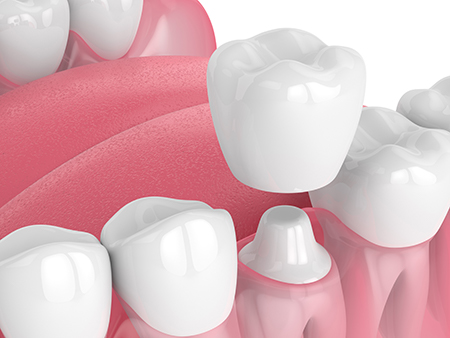
Not all ceramic crowns are the same. Different ceramic systems balance translucency, strength, and wear characteristics in unique ways, so material selection should be driven by the tooth’s location, the forces it will encounter, and the aesthetic demands of the case. Your clinician will explain the trade-offs and recommend the best option for your situation.
For example, highly translucent porcelains are excellent for front teeth where appearance is paramount but may be less ideal where heavy chewing forces are present. Conversely, lithium disilicate and modern zirconia formulations offer higher flexural strength and are often chosen for molars and other high-stress areas.
The practice uses contemporary ceramic options that cover a wide spectrum of needs — from the most lifelike anterior restorations to robust posterior crowns capable of handling chewing loads. Each material is milled or pressed to precise specifications to ensure a predictable fit and finish.
When selecting a material, we consider the long-term function of the tooth, occlusal (bite) relationships, and cosmetic goals so the final restoration meets expectations for both looks and performance.
Lithium disilicate porcelain — excellent aesthetics and reliable strength for many anterior and posterior applications
Leucite-reinforced pressable porcelain — known for exceptional surface detail and color-matching abilities
Monolithic zirconia — high strength suitable for back teeth and patients with heavy bite forces
High-translucency zirconia — a balance of improved aesthetics with enhanced strength for visible zones

The process for receiving a ceramic crown typically begins with a comprehensive exam, imaging, and a discussion about material choices. Preparation involves reshaping the tooth to create room for the restoration while preserving as much healthy tooth as possible. Digital impressions or traditional impressions are taken to capture precise details for fabrication.
Depending on the workflow chosen, crowns can be fabricated in an off-site lab or produced in-house using CAD/CAM systems. When CAD/CAM is used, a custom crown can sometimes be milled and placed in a single visit; other times, a temporary restoration protects the prepared tooth while the final crown is crafted to exacting standards.
At fitting, the dentist checks the crown’s fit, contacts, and bite, making any necessary adjustments to ensure comfort and proper function. The crown is then permanently cemented and polished. After placement, routine oral hygiene and regular dental check-ups will help preserve the restoration for many years.
We will review home care tips and discuss what to watch for as you adapt to the new restoration, including how to manage chewing forces and when to seek care for any concerns.
Our approach combines detailed treatment planning with the latest materials and digital tools to deliver predictable, natural-looking restorations. The team emphasizes careful preparation, precise impressions or scans, and close communication with dental technicians to achieve color and fit that satisfy both functional and cosmetic goals.
Vaccaro Aesthetic and Family Dentistry focuses on personalized care: we listen to your priorities, explain available options clearly, and tailor treatment to your smile. By matching material selection to each tooth’s needs and using proven laboratory or digital workflows, we aim for outcomes that last and look natural.
If you'd like to learn more about ceramic crowns or whether they are the right choice for a specific tooth, please contact us for additional information. Our team is happy to explain the process and help you understand your options.


Ceramic crowns are custom-made tooth-shaped restorations that fully cover a damaged or weakened tooth. Modern dental ceramics mimic the translucency and gloss of natural enamel while providing a metal-free alternative for patients who prefer it. These materials can be milled or pressed to achieve close color matches and lifelike surface texture.
A filling restores a localized area of decay or damage, whereas a crown replaces the external form of the entire visible tooth above the gumline. When a tooth has lost too much structure to retain a filling reliably, a crown restores shape and function and protects the remaining tooth. Crowns also re-establish proper contacts and chewing surfaces that are essential for normal oral function.
A ceramic crown is recommended when a tooth has sustained extensive decay, a fracture that compromises strength, or when an existing large restoration fails. Teeth that have undergone root canal therapy frequently benefit from crown coverage to prevent future fracture and restore chewing function. Crowns are also used as the restorative component for implant-supported teeth and as abutments for fixed bridges.
Beyond structural needs, crowns may be selected for aesthetic reasons such as masking severe discoloration or correcting shape and proportion when conservative options are unlikely to achieve the desired result. The decision begins with a clinical exam and imaging to assess how much healthy tooth structure remains. Your clinician will weigh functional demands and cosmetic goals to advise whether a crown is the appropriate choice.
Ceramic crown materials vary in translucency, strength, and wear characteristics; common options include lithium disilicate, leucite-reinforced porcelains, and various zirconia formulations. Lithium disilicate offers an appealing balance of aesthetics and strength for many anterior and posterior cases, while leucite-reinforced porcelains excel at surface detail and color matching. Monolithic zirconia and high-translucency zirconia provide higher flexural strength suited for molars and patients with heavy bite forces.
Material selection is driven by the tooth's location, occlusal forces, and the visual demands of the smile. Highly translucent porcelains are often favored for visible front teeth where appearance is paramount, whereas stronger zirconia options are preferred for back teeth that endure chewing loads. Your provider will explain the trade-offs and recommend the material that best matches both function and aesthetics.
The treatment process typically begins with a comprehensive exam, necessary imaging, and a discussion of material choices. The tooth is prepared by reshaping the outer surface to create space for the crown while preserving as much healthy structure as possible, and a digital scan or traditional impression is taken to capture precise details. Depending on the workflow, a temporary restoration may be placed while the final crown is fabricated in a dental laboratory or produced in-office using CAD/CAM technology.
When same-day CAD/CAM workflows are used, a custom crown can sometimes be milled and placed in a single visit; otherwise, the permanent crown is tried in, adjusted for fit and bite, and cemented at a follow-up appointment. The dentist will check contacts, occlusion, and aesthetics before final cementation and will provide guidance on adapting to the new restoration. At Vaccaro Aesthetic and Family Dentistry we combine digital tools with careful laboratory communication to achieve a precise fit and natural appearance when applicable.
The lifespan of a ceramic crown depends on material choice, the quality of tooth preparation and fit, oral hygiene, and functional factors such as bruxism or heavy biting forces. With proper care and regular dental checkups, many ceramic crowns provide durable service for many years, but there is natural variation based on individual habits and oral environment. The way a restoration is designed and how it interfaces with opposing teeth also influences wear patterns and longevity.
Protective measures such as a night guard for patients who grind their teeth and avoiding habits like biting hard objects help extend the life of a crown. Routine professional cleanings and timely attention to any looseness or sensitivity are important because early intervention can prevent more extensive problems. Your clinician will discuss realistic expectations for durability based on your specific situation and material selection.
Caring for a ceramic crown is similar to caring for a natural tooth: brush twice daily with a nonabrasive toothpaste, floss daily, and maintain regular dental cleanings to preserve both the restoration and surrounding tissues. Avoid using the crown to open packages or bite very hard objects, and be mindful of chewing habits that place undue stress on the restoration. Although contemporary ceramics resist staining, maintaining good oral hygiene helps preserve shade and margin health over time.
If you notice changes such as sensitivity, looseness, or persistent discomfort, contact your dentist promptly so the restoration can be evaluated. Periodic examinations allow the clinician to check the crown's margins, contacts, and occlusion and to make minor adjustments if needed. Preventive care and early management of issues are the best ways to protect your investment in long-term oral health.
All-ceramic crowns are a metal-free option and are generally well tolerated by oral tissues, making them a suitable choice for patients concerned about metal sensitivities or for those who prefer a fully ceramic restoration. Ceramic materials are biologically inert and often produce a softer interaction with the gingival tissues, which can contribute to more favorable gum aesthetics at the restoration margin. Their resistance to corrosion also avoids some of the discoloration and reactions associated with certain metal restorations.
Before recommending a specific material, your dental provider will review your medical history and any known sensitivities or allergies. If necessary, alternative materials and laboratory testing options can be discussed to ensure a safe and comfortable outcome tailored to your health needs.
Ceramic crowns are commonly used to restore dental implants and to serve as the visible restorative portion of fixed dental bridges. On an implant, the ceramic crown is attached to an abutment that connects to the implant fixture, providing a natural-looking replacement tooth that restores form and function. For bridges, ceramic crowns are used on the abutment teeth to support the replacement pontic and maintain proper occlusion and contacts.
Material selection for implant crowns and bridge abutments considers occlusal forces, esthetic demands, and the need for a precise fit over the supporting structures. Your dentist and the dental laboratory will coordinate design and material choices to achieve a strong, long-lasting restoration that integrates well with surrounding teeth and tissues.
All-ceramic crowns offer superior optical properties that more closely replicate natural enamel translucency and gloss, eliminating the visible metal margin that can appear at the gumline with older porcelain-fused-to-metal designs. Because they lack a metal substructure, ceramic crowns can provide more lifelike aesthetics, especially in the smile zone, and they often produce a softer tissue response along the gingival margin. Ceramic restorations are also resistant to corrosion and the discoloration that may affect metal-based crowns over time.
Advances in ceramic materials have narrowed the strength gap that once favored metal-containing crowns, and modern high-strength ceramics such as certain zirconia formulations can reliably withstand posterior chewing forces. The choice between all-ceramic and porcelain-fused-to-metal designs should be based on the specific clinical demands of the tooth, aesthetic priorities, and functional considerations discussed with your dentist.
Selecting a dentist for ceramic crown treatment involves evaluating clinical experience, the use of modern materials and technology, and a clear communication process about treatment goals and expectations. Look for practices that offer digital imaging, precise lab communication or in-office CAD/CAM workflows, and a collaborative approach to shade matching and restoration design. A skilled team will explain material options, the pros and cons of each choice, and how those choices relate to your long-term oral health.
Vaccaro Aesthetic and Family Dentistry emphasizes personalized treatment planning, advanced materials, and coordinated laboratory or digital workflows to achieve predictable, natural-looking results. If you have questions about ceramic crowns or want to discuss whether they are the right solution for you, schedule a consultation so the team can evaluate your needs and outline appropriate options.

Ready to book your next dental visit or learn more about our services?
Getting in touch with Vaccaro Aesthetic and Family Dentistry is quick and easy. Our friendly team is here to help with scheduling, answering questions about treatments, and addressing any concerns. Whether by phone or our convenient online form, we make connecting with us easy. Take the first step toward a healthier, more confident smile—contact us today and experience personalized dental care that truly makes a difference.

Back to top
