


Modern dentistry increasingly values efficiency without compromising quality. CEREC single‑visit restorations are designed to streamline care: instead of multiple appointments, temporaries, and lab turnaround times, patients leave with a final ceramic restoration on the same day. That reduces time spent in the dental chair overall and removes the inconvenience of repeated scheduling.
Beyond convenience, same‑day restorations reduce the window of vulnerability for a prepared tooth. With immediate placement of the final restoration, there is less opportunity for sensitivity, contamination, or damage that can occur between visits. It’s an approach that respects both oral health and busy lives.
For patients who value predictability and precision, the single‑visit workflow offers consistent results driven by digital planning and controlled manufacturing. The result is a restoration that fits accurately, functions well, and blends naturally with the surrounding teeth.
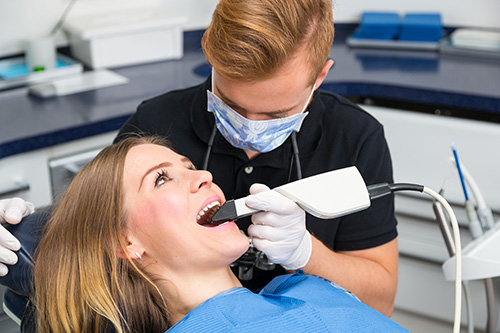
A CEREC visit follows a clear, patient-friendly sequence. After a clinical exam and any necessary numbing, the tooth is prepared with conservative removal of damaged or decayed structure. Instead of traditional putty impressions, an ergonomic intraoral scanner captures a detailed three‑dimensional image of the prepared tooth and its neighbors.
Those digital images are reviewed and refined on a chairside computer. The dentist can make real‑time adjustments to contour, occlusion, and color mapping, ensuring the restoration will harmonize with adjacent teeth. Once the design is finalized, it is sent to the in‑office milling unit to fabricate the restoration from a solid block of high‑strength ceramic.
When milling is complete, the restoration is tried in, polished, and bonded. Because the entire process takes place under one roof, we can verify fit, color, and bite immediately, making any small refinements on the spot. This cohesive workflow helps deliver a comfortable, well-fitting restoration in a single appointment.
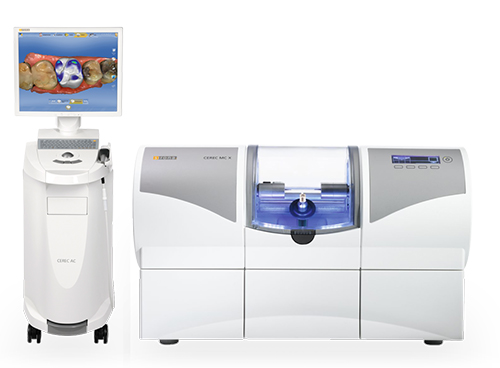
CEREC relies on CAD/CAM technology that converts intraoral scans into highly accurate digital models. Computer‑aided design allows the clinician to assess margins, contours, and contacts at a level of detail that is difficult to reproduce with analog methods. This digital precision reduces the likelihood of gaps or misfits that can compromise longevity.
The chairside milling unit uses this digital plan to carve the restoration from a ceramic block with micron‑level accuracy. Milling machines follow the exact contours specified in the design file, producing restorations that require minimal adjustment. The process is repeatable and predictable, which supports consistent clinical outcomes.
Because the entire digital workflow is visible to the clinician, any concerns can be addressed immediately. The ability to inspect, modify, and approve the restoration before fabrication enhances control and helps ensure the final result meets both functional and aesthetic goals.

CEREC restorations are milled from high‑performance ceramic materials chosen for their strength, wear resistance, and lifelike appearance. These ceramics closely mimic the translucency and texture of natural enamel, making it possible to create restorations that integrate seamlessly with the smile.
When properly designed and bonded, ceramic crowns, inlays, and onlays offer excellent clinical performance. The adhesive techniques used to seat ceramic restorations not only secure them in place but also help reinforce remaining tooth structure. This conservative approach supports long‑term tooth health and reduces the need for more extensive future treatments.
Maintenance is straightforward: good daily hygiene and routine dental checkups are the most important factors in preserving ceramic restorations. Our team provides guidance on care, occlusal habits, and follow‑up to help maximize the lifespan of each restoration.
CEREC is a versatile solution for many restorative needs, including single crowns, partial crowns (inlays/onlays), and small cosmetic corrections. Ideal candidates are patients who need a durable, natural‑looking restoration and prefer the convenience of a single appointment. During a consultation, the dentist will evaluate factors such as the extent of decay or damage, bite relationships, and aesthetic goals to determine suitability.
Preparation aims to preserve as much healthy tooth as possible while creating a secure margin for the restoration. Because CEREC ceramics can be bonded with modern adhesive systems, treatments often require less removal of natural structure than traditional approaches. After placement, patients may experience minimal sensitivity for a short period; most return to normal function quickly.
Long‑term success depends on routine care and attention to habits that affect restorations, such as bruxism or using teeth as tools. The practice can recommend protective measures if needed, including occlusal guards or refinements to bite relationships. Regular professional exams allow the team to monitor the restoration and address small issues before they become significant.
At Vaccaro Aesthetic and Family Dentistry we strive to combine clinical expertise with technology that enhances comfort, precision, and aesthetic outcomes. CEREC single‑visit restorations are one tool we use to deliver predictable, tooth‑conserving care that respects both form and function.
If you’d like to learn whether CEREC is a good option for your situation, please contact us for more information.


CEREC is a chairside CAD/CAM system that enables clinicians to design, mill, and place ceramic restorations in a single visit. Instead of sending impressions to an outside lab and waiting for a return appointment, the entire digital workflow from scanning to fabrication happens in the office. This approach reduces the number of appointments while maintaining clinical control over the final restoration.
Compared with traditional methods, CEREC relies on intraoral scanning and computer‑guided design to produce highly accurate restorations. Milling from a solid ceramic block produces durable, lifelike results that can be polished and adjusted chairside. The streamlined process often preserves more natural tooth structure because adhesive ceramic techniques require less aggressive reduction than some conventional crowns.
A CEREC appointment begins with a clinical exam and any required local anesthesia, followed by conservative tooth preparation to remove decay or damaged structure. The prepared tooth is scanned with an intraoral scanner to generate a three‑dimensional model that the clinician refines on a chairside computer. Once the design is finalized, the restoration file is sent to an in‑office milling unit that carves the restoration from a ceramic block.
After milling, the restoration is tried in, adjusted for fit and occlusion, polished, and bonded using modern adhesive protocols. Because the practice can verify fit, color, and bite immediately, small refinements are completed on the spot to achieve a seamless integration. Patients typically leave with the definitive restoration seated and occlusal relationships confirmed.
CEREC is versatile and commonly used for single crowns, inlays, onlays, and certain veneers, making it suitable for many restorative and minor cosmetic needs. The system is particularly effective for restorations that benefit from precise margins and an adhesive bond to the remaining tooth. Its chairside capabilities make it a good option when a same‑day solution is preferred.
Complex full‑arch prosthetics and very large restorations may still require laboratory collaboration or alternative techniques, but many routine and intermediate restorative requirements are well served by CEREC. The clinician evaluates each case to determine whether an in‑office restoration will meet functional and aesthetic goals. When appropriate, CEREC can simplify treatment while preserving tooth structure and esthetics.
CEREC restorations are milled from high‑performance ceramic blocks designed for strength, wear resistance, and a natural appearance. Modern ceramics offer translucency and surface texture that mimic enamel, allowing restorations to blend with adjacent teeth. When designed and bonded correctly, these materials demonstrate excellent clinical performance and longevity.
Durability depends on appropriate case selection, proper occlusal design, and sound bonding techniques, along with routine oral hygiene and maintenance. The adhesive cementation process also helps reinforce remaining tooth structure, improving overall resilience. Regular dental examinations allow the team to monitor wear and address potential issues early to extend the life of the restoration.
Appointment length varies with the complexity of the case, but most single CEREC crowns or onlays are completed in a single visit that commonly ranges from one to two hours. Time is spent on preparation, digital scanning, designing the restoration, milling, and final adjustment and bonding. Because the workflow is consolidated, patients avoid multiple visits and the need for temporary restorations.
Patients can expect local anesthesia for comfort during tooth preparation, a digital scanning step in place of traditional impressions, and a period while the mill fabricates the restoration. The clinician will verify fit, color, and bite before final bonding and will provide instructions for short‑term sensitivity management if needed. Follow‑up checks ensure the restoration is functioning well and that the patient is comfortable with the result.
CEREC can be appropriate for many anterior restorations where aesthetics and conservative preparation are priorities, including certain veneers, crowns, and minimally invasive onlays. The system's color‑matching tools and ability to contour restorations chairside allow clinicians to achieve natural transitions and surface characterization. For highly demanding cosmetic cases, the dentist evaluates shade, translucency, and shape to determine whether a CEREC restoration will meet the patient's aesthetic expectations.
When the cosmetic goal is extremely specific or when layering and custom staining are required beyond chairside capabilities, collaboration with a dental laboratory or alternative techniques may be recommended. However, many patients receive excellent anterior outcomes with modern CEREC ceramics when the case is carefully planned. The dentist considers tooth position, smile line, and occlusion when advising on suitability for a front‑tooth restoration.
CEREC restorations are typically bonded using adhesive resin cements that create a strong interface between ceramic and tooth structure. Proper bonding protocols include isolation, surface treatment of the ceramic and tooth, and meticulous placement of adhesive materials to minimize microleakage and enhance retention. Because adhesive bonds distribute forces across the tooth, they can help preserve remaining structure and reduce the need for aggressive preparation.
The ability to bond high‑strength ceramics conservatively means clinicians can often save more of the natural tooth compared with some traditional full‑coverage approaches. Successful long‑term outcomes depend on precise fit, proper occlusal design, and patient habits that protect restorations. When bonding is executed reliably, it contributes to both function and the longevity of the restoration.
Aftercare for CEREC restorations focuses on routine oral hygiene practices such as twice‑daily brushing with a nonabrasive toothpaste and daily interdental cleaning. Regular professional checkups and hygiene visits allow the dental team to monitor the restoration, assess margins, and evaluate occlusion. Avoiding hard or nonfood items and addressing parafunctional habits like grinding can reduce the risk of chipping or undue wear.
If short‑term sensitivity occurs after preparation and bonding, it typically resolves within days to a few weeks; the team will provide guidance for managing discomfort. In cases of unusual pressure or discomfort, patients should contact the office so occlusion can be reassessed and adjusted if necessary. With attentive home care and periodic professional evaluation, ceramic restorations can provide lasting function and aesthetics.
CEREC is highly capable but not universally appropriate for every clinical situation, particularly very large restorations, severely broken down teeth, or cases requiring complex occlusal reconstruction. Patients with uncontrolled parafunctional habits or certain bite relationships may need alternative restorative strategies or protective measures. Additionally, when extensive laboratory customization is necessary for complex cosmetic layering, a laboratory‑fabricated restoration may be the better choice.
The dentist conducts a thorough evaluation of tooth structure, occlusion, periodontal health, and aesthetic goals before recommending CEREC. In some cases a staged approach or adjunctive treatments such as orthodontics or periodontal therapy improve the prognosis of the definitive restoration. Open communication during the consultation helps ensure the selected treatment aligns with both functional needs and long‑term outcomes.
A consultation is the best way to determine whether CEREC is appropriate, beginning with a clinical exam, review of radiographs, and discussion of the patient’s goals and medical history. During the visit the clinician evaluates the extent of decay or damage, occlusal relationships, and aesthetic expectations to form a personalized treatment recommendation. Digital imaging and intraoral scans used by the team help illustrate potential outcomes and clarify whether a same‑day restoration will meet the patient's needs.
Patients interested in learning more can speak with the team at Vaccaro Aesthetic and Family Dentistry to review candidacy and treatment logistics. The practice provides detailed explanations of the CEREC process and works with patients to develop a plan that balances conservation, function, and appearance. A tailored assessment ensures patients receive the most appropriate restorative solution for their long‑term oral health.

Ready to book your next dental visit or learn more about our services?
Getting in touch with Vaccaro Aesthetic and Family Dentistry is quick and easy. Our friendly team is here to help with scheduling, answering questions about treatments, and addressing any concerns. Whether by phone or our convenient online form, we make connecting with us easy. Take the first step toward a healthier, more confident smile—contact us today and experience personalized dental care that truly makes a difference.

Back to top
