

Keeping a bright, healthy smile starts at home, but professional care plays an essential role in preventing small problems from becoming bigger ones. Routine dental cleanings remove buildup that ordinary brushing and flossing can miss, and they give your dental team an opportunity to detect early signs of trouble. The result is a cleaner mouth, clearer guidance on at-home care, and a practical plan to protect your oral health for years to come.
Even the most conscientious brushing and flossing routines rarely reach every surface where plaque and bacteria collect. Over time, those bacterial films harden into tartar, which bonds to tooth enamel and can only be removed by a dental professional. Regular cleanings interrupt this process and reduce the sources of inflammation that contribute to cavities and gum disease.
Professional cleanings also serve as an early-warning system. While removing deposits, your hygienist and dentist evaluate gum health, check for signs of enamel wear, and look for changes that might merit closer attention. Early detection often means simpler, less invasive treatment down the road and a stronger chance of preserving natural teeth.
Beyond oral health, there is growing recognition of the links between the mouth and the rest of the body. Controlling oral inflammation and bacterial levels contributes to overall wellbeing, making routine cleanings an investment in both dental and general health.
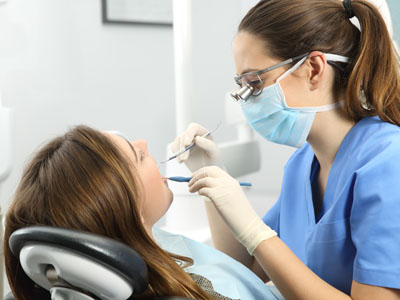
A typical professional cleaning begins with an exam and a conversation about any changes you’ve noticed—sensitivity, bleeding, or new habits that could affect your teeth. Your hygienist then removes plaque and tartar with a combination of instruments tailored to the situation. Removing hardened deposits is the primary objective before polishing and finishing steps.
Ultrasonic scalers are frequently used to dislodge heavy buildup efficiently; they combine gentle vibrations with a stream of water to break up deposits and flush debris. Hand instruments are employed for fine work, especially along the gumline and between teeth where precision is needed. Both tools are used thoughtfully to maximize cleanliness while minimizing discomfort.
After scaling, teeth are polished to remove surface stains and create a smooth finish that’s harder for plaque to adhere to. If appropriate, the visit may conclude with a fluoride or remineralizing treatment to strengthen enamel, plus tailored guidance on brushing, flossing, and any adjunctive products that would help at-home care.
Dental cleanings are more comfortable than many people expect, and advances in technique and equipment help reduce sensitivity and anxiety. If you experience sensitivity, your hygienist can adjust methods, use gentler instruments, or apply topical agents to numb local areas. Communication during the appointment ensures adjustments are made whenever needed.
Technology also enhances the patient experience. Intraoral cameras and digital images can help you see what the hygienist sees, making oral health concerns clearer and the care plan more collaborative. These tools support targeted cleaning and education without prolonging the appointment.
For patients with a history of gum disease or difficult-to-reach areas, our approach can include specialized tips and instruments designed to access deeper spots safely. The goal is to deliver effective care while preserving comfort, and to build patient confidence in maintaining oral hygiene between visits.
There’s no one-size-fits-all schedule for professional care. While twice-yearly cleanings are a common recommendation for many adults, your dental team may suggest a different frequency based on factors like gum health, medical conditions, medications, tobacco use, or a history of cavities. A personalized plan aligns visits with risk, helping you stay ahead of potential problems.
At-home routines are just as important as clinical care. Your hygienist will offer practical, evidence-based advice on brushing technique, interdental cleaning (floss or interdental brushes), and the use of electric toothbrushes or antimicrobial rinses when appropriate. Dietary suggestions that reduce acid exposure and limit sugar intake are also part of a balanced prevention strategy.
Education is central to this process: understanding why certain behaviors affect your teeth and gums makes it easier to adopt lasting habits. The practice focuses on clear, usable guidance so patients can maintain the results of their professional cleanings between appointments.
Most patients leave the office feeling fresher and noticing improved smoothness along the tooth surfaces. Mild sensitivity or light gum tenderness can occur for a day or two, particularly after more intensive cleanings, but these symptoms typically subside quickly. If discomfort persists, your dental team can provide specific recommendations to address it.
Keeping the momentum going means blending professional care with consistent home habits. Simple steps—brushing twice daily with a fluoride toothpaste, cleaning between teeth daily, staying hydrated, and avoiding frequent snacking on acidic or sugary foods—translate directly into longer-lasting results from your cleaning.
For ongoing prevention, patients are encouraged to communicate openly about changes in health, medications, or lifestyle that can affect oral care. If you need an updated plan or have concerns between visits, the practice is available to review your needs and make adjustments to support sustained oral health.
At Vaccaro Aesthetic and Family Dentistry, our focus is on delivering thorough, patient-centered cleanings that build a foundation for lifelong oral health. If you’d like to learn more about our approach to preventive care or what to expect at your next visit, please contact us for more information.


A dental cleaning, often called a prophylaxis, is a professional procedure that removes plaque and hardened tartar from tooth surfaces and along the gumline. The process helps lower bacterial levels in the mouth and reduces the inflammation that contributes to cavities and gum disease. Regular cleanings also give the dental team a chance to assess overall oral health and detect small problems early.
The appointment is typically performed by a licensed dental hygienist and includes evaluation, scaling, polishing and personalized home care advice. Scaling uses a combination of ultrasonic instruments and hand tools to dislodge deposits, while polishing smooths the enamel to make it harder for plaque to reaccumulate. When appropriate, visits can conclude with a topical fluoride or remineralizing treatment to support enamel strength.
Many adults benefit from dental cleanings every six months, but the optimal interval depends on individual risk factors and oral health status. Patients with healthy gums and low risk may maintain a conventional twice-yearly schedule, while those with gum disease, a history of frequent cavities, certain medical conditions or tobacco use may need more frequent visits. Your dental team will recommend a schedule tailored to your needs based on clinical findings and risk assessment.
Changes in health, medications or lifestyle can alter your risk, so it is important to communicate updates to your hygienist and dentist. Pregnancy, diabetes and certain medications can increase susceptibility to gum inflammation and may prompt a shorter cleaning interval. A personalized maintenance plan helps keep treatment aligned with risk and supports long-term tooth preservation.
A typical cleaning begins with a brief oral exam and a conversation about any symptoms such as sensitivity or bleeding gums. The hygienist then removes plaque and tartar using ultrasonic scalers to break up heavy deposits and hand instruments for precise work along the gumline and between teeth. After scaling, teeth are polished to remove surface stains and create a smoother finish that is less likely to attract plaque.
Following the mechanical steps, the clinician may floss, apply a fluoride or remineralizing agent when indicated, and review home care techniques tailored to your situation. Intraoral images or digital records may be used to show areas of concern and guide patient education. The visit typically concludes with recommendations for at-home care and the next appointment interval based on your oral health.
Most patients find professional cleanings comfortable, though some sensitivity or mild gum tenderness can occur, especially after more intensive scaling. Hygienists are trained to work gently and to adjust techniques and instruments to limit discomfort while effectively removing deposits. Communication during the appointment allows the clinician to pause, modify pressure or provide additional comfort measures when needed.
If you experience heightened sensitivity or anxiety, options such as topical desensitizing agents, local numbing for specific areas or relaxation techniques can be offered. The practice also provides sedation dentistry services for patients who require additional support during treatment. Your dental team will discuss the best approach to make the visit tolerable and effective for your needs.
Professional cleanings play a key role in preventing and controlling gum disease by removing the plaque and tartar that fuel inflammation and tissue breakdown. Regular removal of these bacterial deposits reduces pocket formation and helps maintain attachment of the gum tissue to the teeth. Early detection during cleanings allows for prompt intervention, which often prevents progression to more advanced periodontal disease.
When gum disease is already present, cleanings are part of a broader treatment plan that may include scaling and root planing, more frequent maintenance visits and targeted home care strategies. For patients who need specialized periodontal care, the office offers access to a periodontist who can provide advanced therapies without requiring an outside referral. Ongoing maintenance tailored to disease severity is critical for long-term control.
Yes, professional cleaning often reduces bad breath by eliminating oral bacteria, plaque and tartar that produce odorous compounds. Cleaning removes the physical reservoirs where bacteria thrive, and polishing and flossing help clean interdental areas and tongue surfaces that commonly contribute to halitosis. Following a cleaning, many patients notice a fresher mouth as bacterial levels are lowered.
Persistent bad breath can have other causes such as dry mouth, certain medications, systemic conditions or infections, and may require a more comprehensive evaluation. Your hygienist can suggest targeted measures like improved tongue cleaning, hydration, changes in oral hygiene products or referrals for further medical assessment when appropriate. Addressing the underlying cause alongside routine cleanings provides the best chance for lasting improvement.
A routine oral exam is normally part of a cleaning appointment and allows the clinician to assess gum health, tooth wear and other changes that may need attention. X-rays are not required at every cleaning but are taken based on clinical indicators, diagnostic need and recommended intervals to monitor decay, bone levels and root health. When images are necessary, modern digital radiography is used to keep exposure low and to provide high-quality diagnostic information.
Advanced imaging options such as cone beam CT are reserved for specific diagnostic or treatment-planning needs rather than routine cleanings. Your dentist will recommend the appropriate imaging schedule based on your dental history, symptoms and risk factors. Clear communication about symptoms and changes since your last visit helps determine whether new images are warranted.
After a cleaning, maintain the benefits by brushing twice daily with a fluoride toothpaste and cleaning between teeth once a day with floss or interdental brushes. Using an electric toothbrush and replacing brush heads regularly can improve plaque removal, and antimicrobial rinses or products recommended by your hygienist can provide targeted support. Avoid frequent snacking on acidic or sugary foods and stay hydrated to help protect enamel and control bacterial growth.
Report any persistent sensitivity, bleeding or other concerns to your dental team so adjustments to your home routine or professional care can be made. Regular check-ins and adherence to the personalized maintenance schedule your hygienist provides are essential for preserving the results of professional cleanings. Education on technique and product selection is part of each visit to ensure patients have practical, evidence-based guidance.
Treatment for gum disease ranges from routine prophylaxis for healthy gums to more intensive procedures such as scaling and root planing for pockets that have formed below the gumline. Scaling and root planing is a deep cleaning that removes plaque and calculus from root surfaces and helps the gum tissue reattach to the tooth. After initial therapy, patients often transition to periodontal maintenance visits at more frequent intervals to control disease and prevent recurrence.
Adjunctive measures can include localized antimicrobial treatments, improved home care techniques and behavioral interventions to address contributing factors. For complex cases, collaboration with or direct care from a periodontist may be recommended to provide surgical or advanced nonsurgical options. The goal is a tailored approach that combines clinical treatment and supportive maintenance to stabilize periodontal health.
At Vaccaro Aesthetic and Family Dentistry in Green Village, NJ, the team combines modern technology with a gentle, patient-centered approach to make cleanings both effective and comfortable. Clinicians use ultrasonic scalers, hand instruments and digital tools like intraoral cameras to enhance precision while minimizing chair time and sensitivity. Staff members prioritize clear communication, adjusting techniques and offering topical desensitizers or sedation dentistry when appropriate to meet individual comfort needs.
The practice emphasizes education and personalized maintenance plans so patients leave with practical guidance for home care and a schedule that reflects their oral health risk. Access to in-office periodontal expertise supports seamless continuity of care for patients who require advanced treatment. This integrated approach helps protect long-term oral health while ensuring each visit is respectful of patient comfort and preferences.

Ready to book your next dental visit or learn more about our services?
Getting in touch with Vaccaro Aesthetic and Family Dentistry is quick and easy. Our friendly team is here to help with scheduling, answering questions about treatments, and addressing any concerns. Whether by phone or our convenient online form, we make connecting with us easy. Take the first step toward a healthier, more confident smile—contact us today and experience personalized dental care that truly makes a difference.

Back to top
