

When a tooth is affected by decay or a small fracture, the loss of healthy structure can compromise chewing, cause sensitivity, and create an entry point for further infection. A properly placed dental filling restores the tooth's shape and strength, stopping disease progression and helping the tooth function comfortably for years to come.
Dental decay remains one of the most common dental conditions across all age groups. Treating cavities promptly with conservative restorations preserves more of the natural tooth and reduces the chance of needing more invasive care in the future. Fillings are a cornerstone of conservative dentistry because they repair damage while keeping as much of the original tooth intact as possible.
At Vaccaro Aesthetic and Family Dentistry, we emphasize precise technique and modern materials to deliver results that look natural and perform reliably. Our goal is to combine clinical skill with patient comfort so that restoring a tooth feels straightforward and predictable for everyone who walks into our Green Village office.
Human efforts to repair teeth date back millennia, but restorative dentistry has evolved dramatically. Early cultures attempted rudimentary repairs; it wasn't until the 19th and 20th centuries that clinicians developed metal-based restorations that provided reliable strength and longevity for posterior teeth.
The last several decades have brought tooth-colored materials, improved bonding systems, and digital workflows that allow us to tailor restorations more precisely to each patient. These advances mean restorations can be both resilient and discreet, blending seamlessly with the surrounding tooth structure while resisting wear and discoloration.
Choosing the right filling involves more than material selection — it includes evaluating the tooth's location, the extent of the cavity, occlusion (how your teeth come together), and esthetic goals. We aim to restore function first, then refine the restoration so it matches the surrounding teeth in color, shape, and texture.

Today’s restorative toolkit provides several reliable options that differ in appearance, strength, and clinical use. Some materials are selected primarily for their strength in high-stress areas, while others are chosen for a near-invisible aesthetic in visible regions of the mouth. Understanding these differences helps you and your dentist make an informed decision that aligns with your health and cosmetic priorities.
Tooth-colored materials have become increasingly popular because they preserve a natural look without sacrificing performance for many routine cavities. At the same time, there remain situations where more traditional materials offer clear advantages — particularly for large restorations or teeth that endure heavy chewing forces.
Our team takes the time to explain the benefits and limitations of each option so you can choose a restoration that fits your oral environment and expectations. Where appropriate, we also consider long-term maintenance and how a particular material may wear over time.
Composite resin restorations are crafted from a blend of durable synthetic resins and glass fillers. They are matched to your tooth shade and bonded directly to the enamel and dentin, allowing for conservative preparations that preserve healthy tooth structure.
Because they bond to the tooth, composites can often strengthen a weakened tooth while maintaining an excellent cosmetic result. They can be used in both front and back teeth, though very large restorations may require different approaches to ensure long-term durability.
Amalgam has a long history as a strong and dependable restorative material. It performs well in areas of high bite pressure and can withstand years of wear. Although it does not match natural tooth color, amalgam remains a practical option in select clinical situations.
Glass ionomer materials bond chemically to the tooth and release small amounts of fluoride, which may help protect the surrounding enamel. They are frequently used for pediatric restorations, cavities near the gumline, or as a temporary solution while awaiting a more definitive restoration.
Ceramic inlays, onlays, and large restorations are crafted outside the mouth and then bonded into place. These indirect restorations are highly resistant to staining and wear, offering an aesthetic and durable solution when a direct filling would not provide sufficient strength or longevity.
Gold remains an excellent restorative choice in specific cases because of its longevity, precise fit, and gentle wear characteristics against opposing teeth. It is less commonly used today due to esthetic preferences and cost considerations, but it still offers predictable performance where indicated.
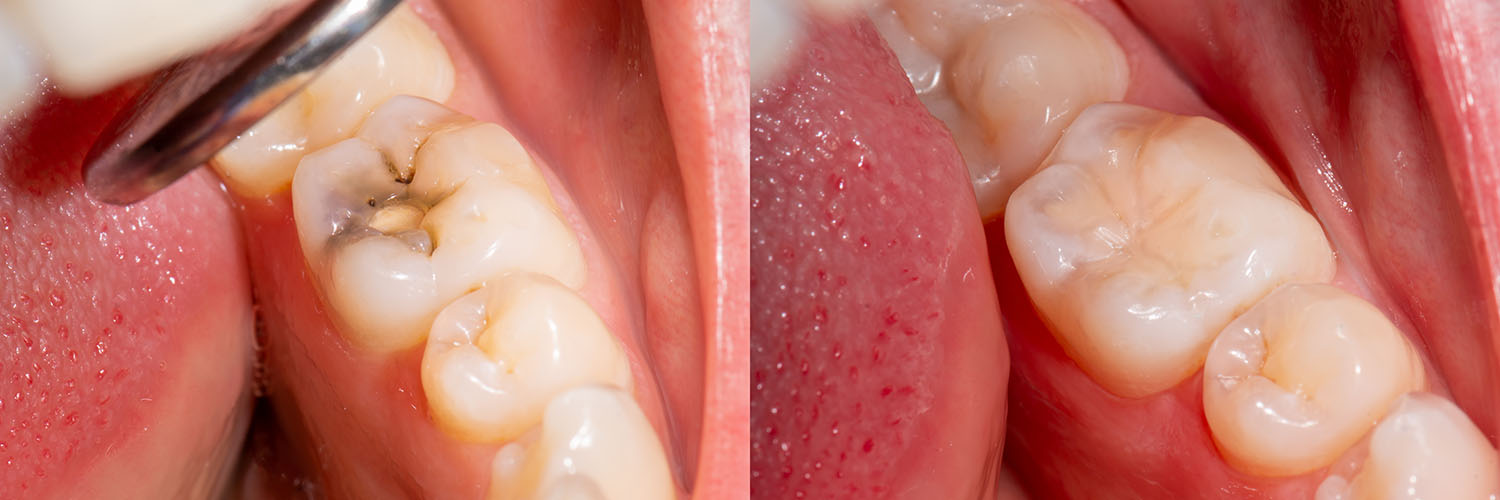
Selecting a filling material is a clinical decision rooted in diagnosis. We assess the size and location of the cavity, the condition of the surrounding tooth, bite dynamics, and how long you want the restoration to last before considering replacement. Patient preferences about appearance also factor into the choice when multiple suitable options exist.
In some cases, a small, conservative composite will be ideal because it preserves tooth structure and provides a seamless appearance. For larger defects, an indirect ceramic restoration or a well‑designed amalgam may be the best way to protect the tooth against fracture. We’ll review these considerations and explain why one option may be preferable for your specific situation.
Our evaluations include digital imaging and intraoral examination so you can see what we see. This collaborative approach helps ensure your treatment plan is evidence-based and aligned with your goals for oral health and smile appearance.
When a treatment plan calls for a filling, the appointment begins with a careful removal of decay and any weakened tooth material. Local anesthesia is typically used so the procedure is comfortable. We use modern instruments—such as high‑speed handpieces, air abrasion, or lasers when indicated—to prepare the tooth efficiently while preserving as much healthy tissue as possible.
Once the tooth is prepared, the method of placement depends on the chosen material. Direct materials like composite or glass ionomer are applied and shaped in the mouth before being cured. Indirect options like porcelain inlays require impressions or digital scans and a second appointment for placement after the laboratory fabrication.
We always check the bite and make careful adjustments to ensure the restored tooth feels natural when you chew. If you experience anxiety about dental procedures, our team will discuss strategies to make your visit calmer and more comfortable. We prioritize communication throughout the appointment so you know what to expect at every step.
Proper short-term and long-term care helps a filling perform at its best. Immediately after treatment, it’s important to respect any temporary sensitivity and to avoid chewing hard foods on the treated tooth until any anesthesia wears off and your dentist confirms the restoration is fully set and comfortable.
You may notice transient sensitivity to hot or cold for a few days. This is often part of the normal healing and adjustment process as the tooth responds to the procedure. If sensitivity increases or doesn’t improve within a reasonable timeframe, contact us so we can evaluate and address any concerns.
Maintenance includes excellent daily hygiene, routine professional cleanings, and periodic examinations to monitor the restoration for wear, marginal integrity, or recurrent decay. With attentive home care and regular checkups, many modern fillings provide years of reliable service.
Protect numb tissues: Avoid chewing or eating until numbness has worn off to prevent accidental biting of your lip or tongue. Be mindful when drinking hot liquids during this period.
Expect brief sensitivity: Mild sensitivity or awareness of the treated tooth is common and usually resolves on its own. If you notice worsening pain, prolonged sensitivity, or new symptoms, reach out so we can evaluate the situation.
Routine care matters
Brushing twice daily, flossing, and maintaining regular dental visits are the best ways to extend the life of a filling and preserve surrounding teeth.
When a restoration may need attention
Fillings can wear, chip, or develop marginal breakdown over time. If you experience sharp edges, persistent sensitivity, or changes in bite, an exam can determine whether repair or replacement is needed.
We aim to make restorative care predictable and comfortable. If you have questions about a specific filling material, the health of a particular tooth, or how a restoration fits into a broader treatment plan, please contact Vaccaro Aesthetic and Family Dentistry for more information.
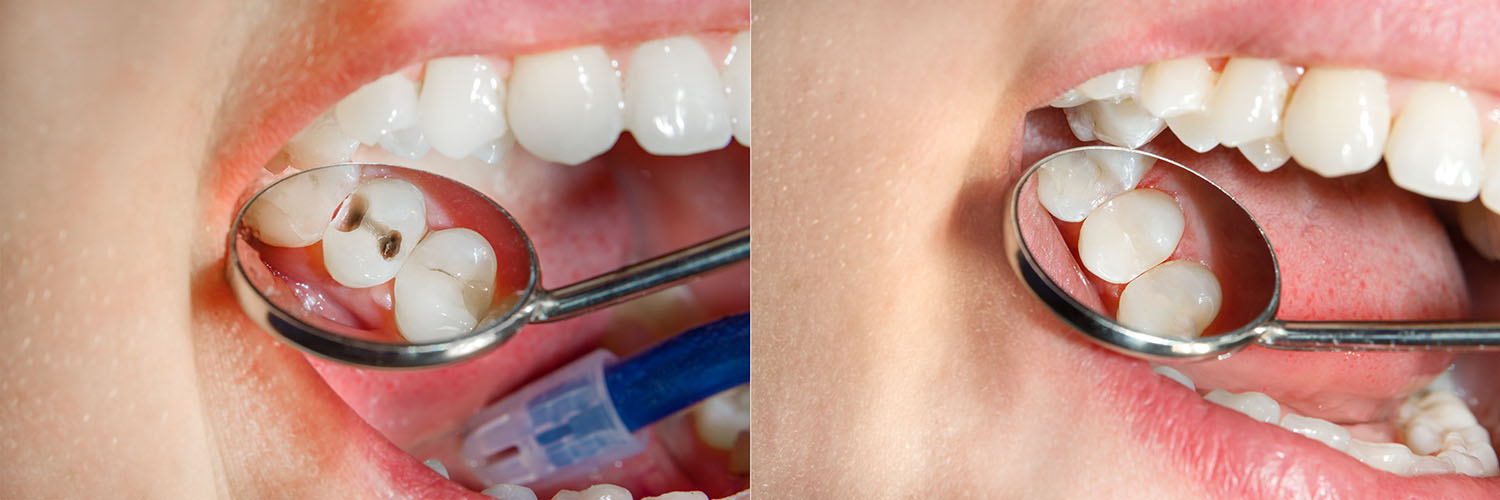
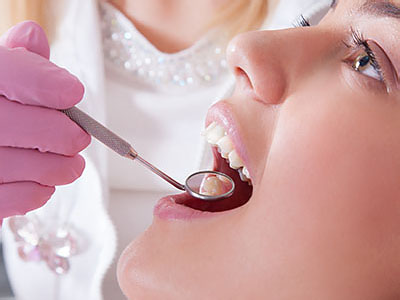

Dental fillings are restorations used to repair teeth damaged by decay or small fractures. They restore the tooth's shape and function while sealing areas where bacteria can enter. By removing decay and rebuilding the tooth, fillings stop disease progression and reduce the likelihood of more extensive treatment.
Fillings are a conservative treatment that preserves healthy tooth structure compared with larger restorations. When placed promptly they can relieve sensitivity, improve chewing comfort, and help maintain overall oral health. Regular dental exams allow clinicians to detect cavities early when a filling is most predictable and effective.
Choosing a filling material begins with a clinical assessment of cavity size, tooth location, bite forces, and the condition of the remaining tooth structure. The dentist also considers aesthetic goals and whether the restoration will be in a highly visible area of the mouth. These factors guide the decision toward direct materials like composite or glass ionomer or indirect options such as ceramic inlays and onlays.
Material properties differ in strength, wear resistance, and appearance, so the clinical situation often points to the most appropriate choice. Composite resins bond to tooth structure and are well suited for front teeth and many back teeth, while glass ionomer can be useful near the gumline or for pediatric cases. For large defects or teeth under heavy chewing pressure, indirect ceramics or metal restorations may offer superior long-term performance.
A collaborative discussion helps align material selection with patient expectations and functional needs. The dentist will explain the benefits and limitations of each option and how that choice fits into a broader treatment plan. Digital imaging and intraoral evaluation support a precise recommendation tailored to your mouth.
A typical filling appointment begins with an exam and any necessary X-rays to evaluate the extent of decay or damage. Local anesthesia is administered as needed to ensure comfort while the clinician removes decay and prepares the tooth using precise instruments and, when indicated, tools such as air abrasion or lasers. The goal during preparation is to eliminate diseased tissue while preserving as much healthy tooth as possible.
Once the tooth is prepared the chosen material is placed and shaped; direct materials are cured in the mouth and indirect restorations are fabricated in a dental laboratory before being bonded into place. The dentist checks and adjusts your bite to make sure the restored tooth functions naturally. If you have concerns about anxiety or comfort, the team at Vaccaro Aesthetic and Family Dentistry can discuss strategies to make the visit calmer and more comfortable.
Some temporary sensitivity to hot, cold, or pressure is common for a few days after a filling as the tooth adjusts to the procedure. This sensitivity often resolves on its own as the nerve calms and any irritation from the treatment subsides. Over-the-counter pain relievers and avoiding very hot or cold foods for a short period can help manage symptoms.
If sensitivity increases, persists beyond a few weeks, or is accompanied by sharp pain or swelling, an evaluation is important to rule out issues such as a high bite, marginal leakage, or deeper infection. Early assessment allows the clinician to correct bite adjustments, repair defective margins, or recommend additional care if needed. Prompt attention to unusual symptoms protects the tooth and supports a predictable outcome.
The lifespan of a filling depends on material choice, the size and location of the restoration, bite forces, and your oral hygiene habits. Well placed restorations in low-stress areas often perform for many years, while large restorations or those in heavy chewing zones may require closer monitoring. Regular dental exams are essential to detect early signs of wear, marginal breakdown, or new decay around a filling.
Maintenance that includes consistent brushing, flossing, and routine professional cleanings helps extend the functional life of a restoration. Avoiding habits that place excessive force on teeth, such as chewing ice or opening packages with your teeth, also reduces the risk of premature damage. When deterioration is detected early a repair or replacement can often be completed before the problem affects the tooth's long-term prognosis.
Modern composite resins have improved significantly and can provide excellent strength and durability for many small and moderate restorations. Because composites bond to the tooth, they help reinforce remaining tooth structure and offer superior aesthetics in visible areas. Their performance has made them a preferred choice for many restorations where a natural appearance is important.
In some high-stress situations, such as very large posterior defects or patients with heavy bite forces, traditional metal restorations or indirect ceramic solutions may offer advantages in longevity and resistance to fracture. The decision between materials is clinical and individualized, balancing durability, conservation of tooth structure, and cosmetic results. Your dentist will explain which option best meets the functional demands of the tooth while supporting your aesthetic goals.
Indirect restorations such as inlays, onlays, and crowns are indicated when a defect is too large for a predictable direct filling or when additional structural reinforcement is needed. These restorations are fabricated outside the mouth from durable materials like ceramic or gold and then bonded or cemented to the prepared tooth. Because they cover more of the tooth surface and can be designed to distribute occlusal forces efficiently, they reduce the risk of fracture in compromised teeth.
Choosing an indirect restoration also depends on long-term goals for strength and appearance as well as the health of the remaining tooth structure. The process typically involves a digital scan or impression, laboratory fabrication, and a final cementation appointment. Your dentist will review why an indirect approach may provide a more reliable or conservative long-term solution compared with a large direct filling.
Immediately after a filling, avoid chewing on the treated side until any numbness has worn off to prevent accidental biting of soft tissues. Follow any specific post-treatment instructions from your dentist regarding diet and oral hygiene during the first 24 to 48 hours. If temporary sensitivity occurs, use gentle oral care and avoid extreme temperatures until the tooth stabilizes.
Long-term care for a filling includes brushing twice daily with fluoride toothpaste, flossing once daily, and keeping regular professional cleanings and exams. Monitoring the restoration for changes in shape, roughness, or persistent sensitivity and reporting concerns early helps preserve the tooth. Preventive measures such as a protective night guard may be recommended for patients who grind their teeth to reduce stress on restorations.
Yes, when decay is removed and a filling is properly placed it seals the area and prevents bacteria from continuing to damage the tooth. The restoration replaces lost tooth structure, restores function, and reduces pathways for infection to progress deeper into the tooth. Timely treatment of cavities is one of the most effective ways to preserve natural dentition and avoid more extensive restorative procedures.
Ongoing prevention depends on effective oral hygiene, dietary choices that limit fermentable carbohydrates, and routine dental visits for monitoring and maintenance. Some materials, such as glass ionomer, also release small amounts of fluoride that can help protect adjacent enamel. Regular professional surveillance ensures that any recurrent decay or marginal breakdown is identified and treated promptly.
A filling may need attention if you notice persistent sensitivity, a change in bite, a rough or chipped surface, or visible darkening at the margin where the filling meets natural tooth structure. Wear, marginal breakdown, recurrent decay, and fracture are common reasons a restoration is repaired or replaced. An exam and appropriate imaging allow the dentist to determine whether a repair is sufficient or whether a full replacement or alternative restoration is indicated.
If you experience symptoms or observe changes in a filled tooth schedule an evaluation so the issue can be addressed before it progresses. Timely intervention preserves tooth vitality and function and can prevent the need for more invasive treatment. For patients in the Green Village area please contact Vaccaro Aesthetic and Family Dentistry to arrange an assessment and discuss appropriate options.

Ready to book your next dental visit or learn more about our services?
Getting in touch with Vaccaro Aesthetic and Family Dentistry is quick and easy. Our friendly team is here to help with scheduling, answering questions about treatments, and addressing any concerns. Whether by phone or our convenient online form, we make connecting with us easy. Take the first step toward a healthier, more confident smile—contact us today and experience personalized dental care that truly makes a difference.

Back to top
