

Tooth loss affects many people at various stages of life, and the decision to replace missing teeth is about more than appearance. Rebuilding a functional bite helps preserve oral health, supports nutritional choices, and reduces the risk of changes to the jaw and facial contours. Dental implants are designed to act as a stable foundation for replacement teeth, restoring chewing function and making ordinary activities like speaking and smiling more comfortable and reliable.
Implants are small, biocompatible posts placed into the jaw to recreate the role of a natural tooth root. Once a post integrates with the surrounding bone, it can support a single crown, a bridge, or an entire arch of teeth. Because they anchor restorations directly to the jaw, implants often feel and perform more like natural teeth than removable options.
When properly planned and maintained, implant-supported restorations can deliver consistent, predictable results that blend durability with everyday comfort. Many patients find that implants help them regain confidence in eating, speaking, and smiling — benefits that go well beyond cosmetics.

Unlike traditional bridges that rely on neighboring teeth for support or removable dentures that sit on the gums, implants are anchored directly to the bone. This structural difference gives implant restorations improved stability and lets them transmit normal chewing forces into the jaw. That stimulation helps maintain bone volume and facial structure in ways that removable appliances cannot.
The visible portion of the implant restoration — a custom crown, bridge, or denture — is crafted to match the color, shape, and alignment of your adjacent teeth. Modern materials and digital design tools allow clinicians to create results that are both natural in appearance and comfortable in function, minimizing bulk and achieving a lifelike contour and bite.
Because implants integrate with the bone, they do not slip or move like removable prostheses can. That stability translates to clearer speech, easier eating, and greater peace of mind in social situations. In short, implants are intended to feel like part of your mouth rather than an added appliance.
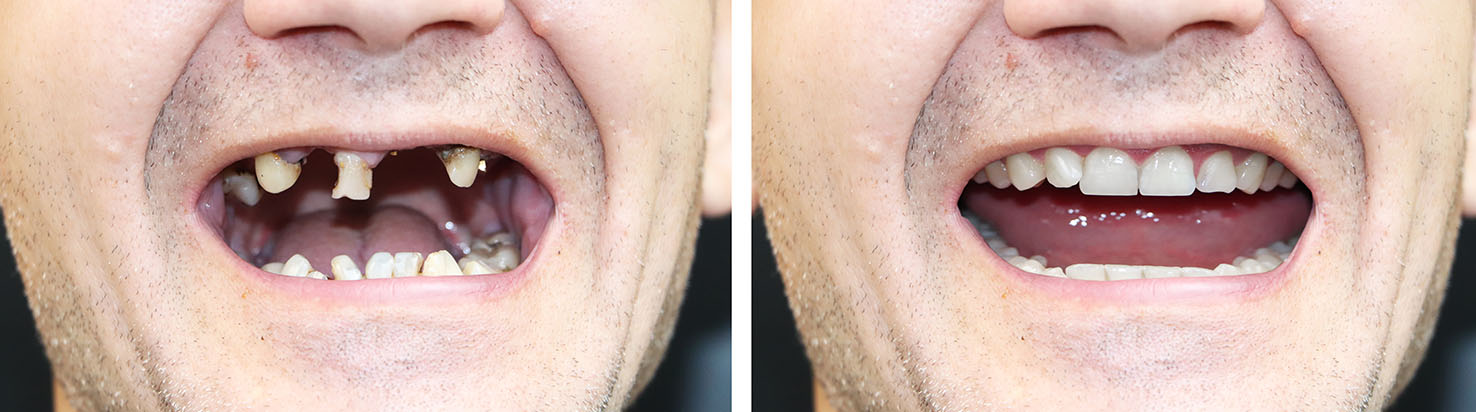
Effective implant care begins with a thorough evaluation. Your dentist will review your medical history, examine the mouth, and use imaging — often including CBCT scans — to assess bone volume and the anatomical structures that influence implant placement. This planning phase ensures that outcomes are both safe and predictable.
Surgical placement of dental implants is generally performed on an outpatient basis. The procedure may be straightforward for a single implant or more involved when preparatory steps such as bone grafting are necessary. Your care team will discuss anesthesia and sedation options so you can choose the level of comfort that suits you.
After placement, the implant undergoes osseointegration — a biologic process in which the bone grows around the post and stabilizes it. This healing period varies by case and can last several months. Some protocols allow for immediate temporary teeth; others call for a waiting period before attaching the definitive prosthesis. Throughout, careful communication and follow-up care help ensure predictable progress.
Sufficient jawbone is essential for implant stability. When bone has resorbed after tooth loss or periodontal disease, grafting procedures can rebuild the foundation needed for predictable implant placement. Skilled grafting restores volume and creates an environment where implants can integrate reliably.
In some parts of the upper jaw, a sinus elevation (sinus lift) may be recommended to provide the vertical bone height required for implants. These and other preparatory techniques are standard parts of modern implant dentistry and allow clinicians to treat a wide range of clinical situations with consistent results.
Long-term success also depends on daily care and periodic professional checkups. Regular oral hygiene, routine cleanings, and monitoring of the implants and surrounding tissues help protect them over the years. Your dentist will provide a maintenance plan tailored to your restoration type and oral health needs to maximize longevity.
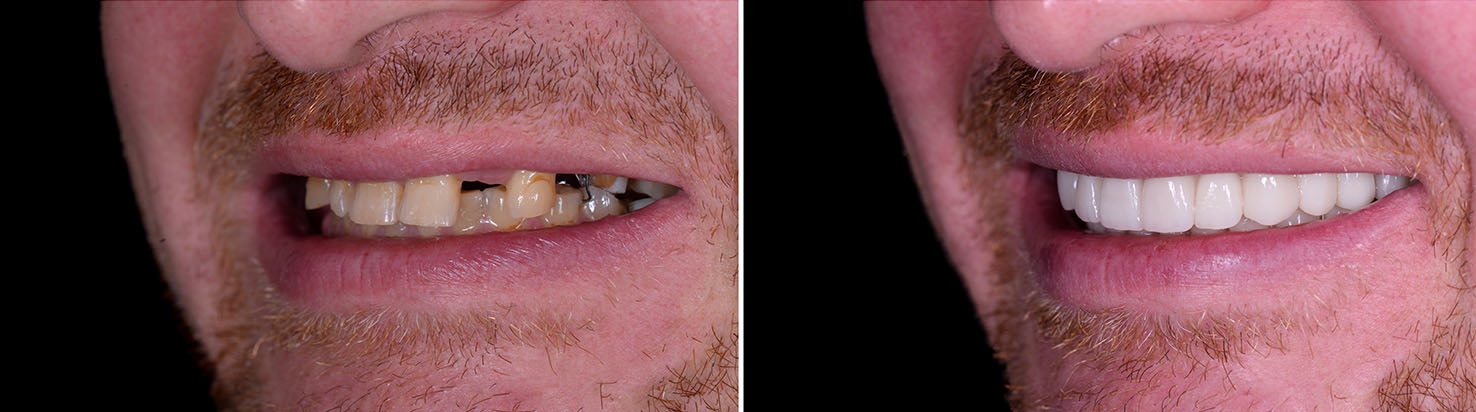
Choosing the right solution for missing teeth is a collaborative process that balances medical considerations with personal goals for function and appearance. At Vaccaro Aesthetic and Family Dentistry, we take time to explain the clinical rationale for implants, review procedural steps, and answer patient questions so everyone understands the pathway from evaluation to finished restoration.
While implants are a powerful option for many patients, candidacy depends on factors such as overall health, bone availability, and realistic expectations. Detailed planning and modern imaging technologies support clear, individualized recommendations that focus on restoring a healthy, comfortable mouth.
If you’re exploring tooth replacement options, our team can assess your smile in a consultation and outline an evidence-based approach tailored to your needs. Contact us to learn more and to arrange a visit so we can review your situation and discuss the best path forward.
Summary: Dental implants provide a dependable way to restore missing teeth with solutions that prioritize function, comfort, and natural appearance. Whether you need a single tooth or a full-arch restoration, modern planning and surgical techniques make predictable outcomes possible. To learn more about implant dentistry and whether it is the right choice for you, contact us for additional information.


Dental implants are biocompatible posts, typically made of titanium or a titanium alloy, that are surgically placed into the jaw to replicate the function of a natural tooth root. Once placed, the implant undergoes osseointegration, a biologic process in which bone grows closely around the post to stabilize it. After integration, the implant can support a custom crown, bridge, or denture to restore chewing function and appearance.
By anchoring restorations directly to the jaw, implants transmit normal chewing forces into the bone, which helps preserve bone volume and facial structure. Implant-supported restorations often feel and perform more like natural teeth compared with removable options because they remain fixed and do not shift. With proper planning and maintenance, implants provide a durable foundation that supports everyday activities such as eating and speaking with confidence.
Good candidates for dental implants are adults in generally good health who have adequate jawbone volume or are willing to undergo preparatory grafting to restore bone. Important considerations include overall medical history, control of chronic conditions such as diabetes, and the absence of uncontrolled periodontal disease. Tobacco use and certain medications can influence healing and are evaluated during treatment planning.
A thorough clinical exam and imaging, often including CBCT scans, help determine candidacy by assessing bone quality, nerve and sinus anatomy, and adjacent teeth. When implants are not immediately appropriate, the care team can discuss alternative or staged approaches, such as bone grafting or temporary prostheses, to expand future implant options. Decisions are individualized to balance predictable outcomes with the patient’s functional and aesthetic goals.
Treatment begins with a detailed consultation and diagnostic phase where medical history is reviewed, impressions or digital scans are taken, and 3D imaging is used to map bone anatomy and plan implant placement. This planning phase establishes the number, position, and type of implants as well as any necessary preparatory procedures such as bone grafting or sinus elevation. At this stage patients receive information on anesthesia and sedation options and a clear sequence of planned visits.
Surgical placement of the implant is usually performed on an outpatient basis and can range from a simple single-post procedure to more complex reconstructions depending on the case. Following placement, a healing period for osseointegration is required; this can last from a few weeks to several months depending on bone quality and whether grafting was performed. After successful integration, the restorative phase begins with custom prosthetics fabricated to match adjacent teeth and occlusion, followed by final adjustments.
Throughout the process, follow-up visits monitor healing and fit, and the care team provides instructions for home care to support successful integration. Some protocols permit immediate provisional restorations when primary stability is achieved, but the definitive restoration is attached only when clinical stability and soft tissue health are confirmed. Clear communication and staged appointments help ensure predictable results and smooth transitions between surgical and restorative phases.
Dental implants can support a wide range of restorations, from single crowns that replace an individual missing tooth to multiunit bridges for several adjacent teeth. For patients who have lost an entire arch, implants can carry a full-arch fixed prosthesis using a limited number of posts to support a permanent set of replacement teeth. These fixed solutions offer the feel and function of natural teeth and eliminate the need for removable full dentures for many patients.
Implants also serve as anchors for implant-retained overdentures, which attach to implants using precision connectors; these dentures remain removable for hygiene but gain substantial improvements in retention and stability compared with conventional dentures. Modern restorative materials and digital workflows allow custom shaping, coloration, and occlusal design so restorations blend with the patient’s smile and deliver comfortable function. Treatment selection depends on the pattern of tooth loss, bone availability, and the patient’s goals for maintenance and convenience.
Sufficient jawbone volume is essential for stable implant placement; when bone has resorbed after tooth loss, infection, or periodontal disease, grafting procedures can rebuild the ridge to provide the required support. Bone grafts may use the patient’s own bone, donor material, or synthetic substitutes to restore height and width. The timing and extent of grafting are determined by the amount of bone loss and the planned implant positions.
In the upper posterior jaw, a sinus elevation (sinus lift) may be needed when the sinus floor is too close to the proposed implant site to allow adequate implant length. The procedure raises the sinus membrane and places bone graft material beneath it to create vertical height for implants. Both grafting and sinus lift procedures are routine in modern implant dentistry and, when performed by trained clinicians, can reliably expand candidacy for implants in many cases.
Long-term implant success depends on daily oral hygiene practices that mirror care for natural teeth, including brushing twice daily with a low-abrasive toothpaste and cleaning around implants with interdental brushes or floss designed for implants. Avoiding heavy tobacco use and managing systemic health conditions also supports healthy tissues around implants. Home care is important to prevent plaque accumulation and inflammation of the soft tissues that support the implant.
Regular professional maintenance is equally important; routine dental exams and cleanings allow early detection of inflammation, loosening of components, or other issues that could compromise an implant. Your dentist or hygienist will recommend a maintenance schedule tailored to your restoration type and oral health, which may include more frequent monitoring for patients with a history of periodontal disease. Prompt attention to changes in comfort, mobility, or the health of surrounding tissues helps protect long-term function.
As with any surgical procedure, implant placement carries risks such as infection, bleeding, swelling, and temporary discomfort at the surgical site. Less common but more serious complications include damage to adjacent teeth, injury to nerves that can cause altered sensation, and sinus complications in the upper jaw. Careful preoperative imaging and planning help minimize these risks by identifying critical anatomy and optimal implant positions.
Long-term complications can include peri-implant mucositis and peri-implantitis, inflammatory conditions affecting the tissues around an implant that may lead to bone loss if not treated. Smoking, poor oral hygiene, uncontrolled systemic disease, and certain medications can increase the risk of implant failure. Early recognition, routine maintenance, and timely professional care are key measures to address complications and preserve implant health.
Dental implants differ from traditional bridges and removable dentures because they are anchored directly in the jawbone rather than relying on adjacent teeth or soft tissues for support. This direct anchorage allows implants to transmit normal chewing forces into the bone, which helps preserve bone volume and facial structure over time. Bridges require preparation of neighboring teeth for support, while removable dentures sit on the gums and may shift or cause sore spots.
Functionally, implant-supported restorations typically provide improved stability, clearer speech, and more efficient chewing when compared with conventional dentures. In many cases implants offer a long-term solution that requires the same daily hygiene and periodic professional maintenance as natural teeth, while removable options may require different cleaning routines and periodic relining. The best choice depends on clinical factors, patient preferences, and the overall treatment plan.
Immediate implant placement at the time of extraction is an option in select situations and can reduce the number of surgical visits and overall treatment time. This approach is most appropriate when the extraction site is free of active infection, has adequate bone to achieve primary stability, and the surrounding soft tissues are healthy. Immediate placement may also be paired with provisional restorations for aesthetic zones when stability criteria are met.
However, a delayed approach is preferable when infection, insufficient bone, or unfavorable anatomy is present, because staged healing with grafting can create a more predictable foundation for later implant placement. Your dentist will evaluate the extraction socket, bone quality, and overall health to recommend an immediate or delayed protocol that maximizes the likelihood of a successful outcome. Careful case selection and planning ensure that timing decisions support long-term stability and aesthetics.
Choose a provider with specific training and experience in implant dentistry, familiarity with digital imaging such as CBCT, and a restorative-oriented approach that integrates surgical and prosthetic planning. Ask about the clinician’s training, the technologies used for planning and placement, and how treatment sequencing is coordinated between surgery and restoration. A practice that documents predictable protocols and communicates clearly about each phase of care helps set realistic expectations.
Consider scheduling a consultation to review diagnostic findings and proposed treatment options in person; a high-quality office will explain risks, alternatives, and expected timelines and will tailor the plan to your functional and aesthetic goals. If convenient, seek care close to home, such as a practice in Green Village, NJ, that offers comprehensive implant services or coordinated specialty support to simplify follow-up and maintenance. The right provider balances technical skill with clear communication and a commitment to long-term implant health.

Ready to book your next dental visit or learn more about our services?
Getting in touch with Vaccaro Aesthetic and Family Dentistry is quick and easy. Our friendly team is here to help with scheduling, answering questions about treatments, and addressing any concerns. Whether by phone or our convenient online form, we make connecting with us easy. Take the first step toward a healthier, more confident smile—contact us today and experience personalized dental care that truly makes a difference.

Back to top
