

Clear aligner therapy has transformed modern orthodontics by offering a discreet, patient-friendly alternative to traditional metal braces. Using a sequence of custom-molded, transparent trays, Invisalign® gently guides teeth into improved positions without drawing attention to the process. The treatment blends digital planning with proven clinical protocols so that predictable tooth movement is possible while patients maintain everyday routines.
At Vaccaro Aesthetic and Family Dentistry, we view clear aligner therapy as one component of a comprehensive approach to oral health and smile design. When thoughtfully applied, aligners can address a wide range of alignment and bite concerns while allowing patients to maintain excellent hygiene and dietary freedom. Below you’ll find a detailed look at how these systems work, what to expect during treatment, and how to protect your investment in a straighter smile.

Invisalign® for Teens

Invisalign® for Brides

Invisalign® for Travelers
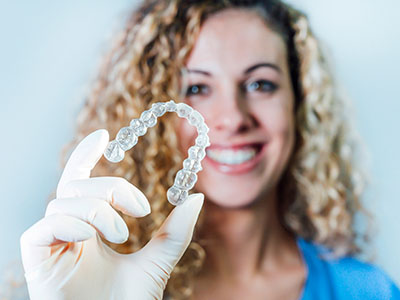
Before & After Photos
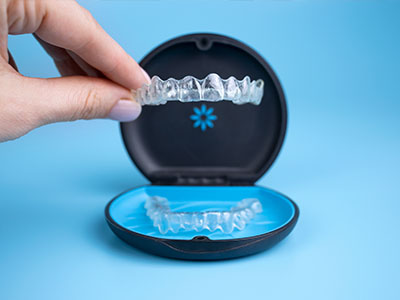
Invisalign® Videos
FAQs
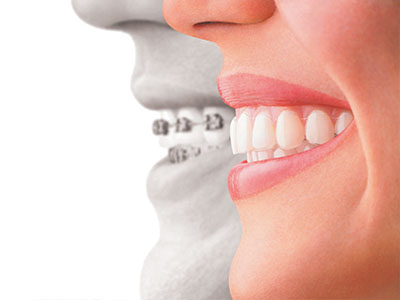
Invisalign® vs Braces
Invisalign® vs Direct-To-Consumer Aligners
Is Invisalign® Right For Me?

Invisalign® Costs
Modern clear aligner systems begin with a precise, three-dimensional assessment of your teeth and bite. Digital scans and imaging allow clinicians to visualize the current alignment, identify the movements required, and map a complete sequence of incremental changes. That digital roadmap—created before any trays are made—helps ensure each aligner in the series contributes a measured, controlled adjustment toward the planned outcome.
Each set of aligners is fabricated to fit snugly, applying gentle pressure to specific teeth to guide them along the intended path. Over time and with consistent wear, the cumulative effect of these small, staged movements realigns tooth positions and refines occlusion. The predictability of the system depends on both the accuracy of the initial planning and patient adherence to the prescribed wear schedule.
Because the trays are nearly invisible and designed for daily life, many adults and image-conscious teens prefer aligners for aesthetic reasons. Equally important, the removability of the trays makes it easier to keep teeth clean during treatment, which supports long-term oral health while the alignment process is underway.
Your first visit focuses on understanding your goals and establishing a clinical baseline. The clinician will perform an oral exam, review dental and medical history, and capture diagnostic records—digital scans, photographs, and any necessary radiographs. These records form the foundation of an individualized treatment plan and help determine whether clear aligner therapy is the most appropriate option for your needs.
During the consultation, we’ll discuss the range of tooth movements that aligners can achieve and identify any adjunctive therapies that might be recommended to optimize results. While some cases are straightforward, others may require staged approaches, attachments, or other refinements to deliver a stable, functional outcome. The conversation is collaborative so that expectations align with clinical possibilities.
Before committing to treatment, you’ll be shown an overview of the anticipated sequence of changes. Advances in digital visualization often allow you to preview expected progress and final alignment, giving a clear sense of what the plan intends to accomplish without relying on guesswork.
A complete custom plan translates the diagnostic data into a sequence of aligners designed to manage each tooth movement carefully. After scanning, the digital model is used to simulate the stepwise repositioning of teeth. Clinicians can modify this simulation to address bite relationships and aesthetic goals, then approve the final prescription for fabrication. The result is a series of trays that coordinate to move teeth in a clinically planned order.
Manufacturing technology produces aligners from biocompatible, transparent materials engineered for fit and durability. Each aligner is labeled to identify its place in the sequence; simple instructions guide when to switch to the next tray. Routine progress checks allow your clinician to confirm that the treatment is tracking as planned and to make small adjustments if necessary.
While much of the process is enabled by sophisticated software and laboratory workflows, consistent patient participation is essential. Wearing aligners as instructed and attending scheduled follow-ups helps maintain momentum and keeps the treatment aligned with the initial clinical goals.
Integrating clear aligners into daily life is straightforward, but a few practical habits make a big difference. Aligners should be removed for eating and drinking anything other than water, and they should be brushed or rinsed before reinserting to avoid staining and protect oral health. Routine oral hygiene—brushing and flossing—remains critical, as the trays should sit over a clean surface to minimize plaque accumulation.
Cleaning the aligners themselves is also important. Gentle rinsing and routine cleaning with recommended products help maintain clarity and prevent odors. Avoid abrasive cleaners or very hot water, which can deform the plastic. Proper care preserves the fit and appearance of each tray throughout its intended wear period.
Comfort usually improves after the first few days of each new tray, as teeth adapt to the planned movement. Minor soreness is normal and typically short-lived; if discomfort persists, your provider can assess tray fit and recommend strategies to ease sensitivity while keeping treatment on track.
Monitoring progress at periodic visits is a routine part of aligner treatment. These follow-ups confirm that teeth are responding as planned and provide an opportunity to make small refinements when necessary. In some cases, additional aligner sets or minor revisions are recommended to perfect the final alignment and occlusion.
When the active phase is complete, a retention strategy helps preserve the new tooth positions. Retainers—either removable or fixed—are commonly used to maintain alignment while tissue and bone adapt to the changes. The exact retention protocol varies by case, but ongoing maintenance is important to protect the outcome achieved through treatment.
Long-term success also depends on continued oral care and routine dental checkups. A straightened smile is easier to clean and maintain, but teeth can shift over time if retention is neglected. With a thoughtful post-treatment plan, patients can enjoy the functional and aesthetic benefits of alignment for years to come.
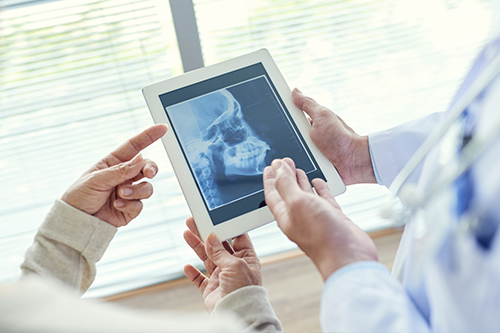
Before beginning aligner therapy, it’s helpful to address any existing dental concerns that could affect orthodontic movement. This can include managing active decay, periodontal health, or restorative needs. Addressing these issues first creates a stable foundation for predictable tooth movement and a healthier long-term result.
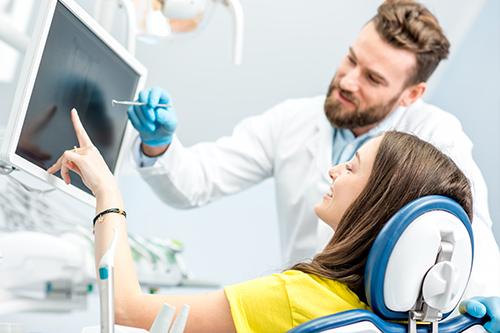
It’s normal to experience brief periods of adjustment as new trays are introduced. Planning ahead—using soft foods for the first day or two and employing over-the-counter remedies for mild soreness—can make the transition smoother. Communicate any persistent concerns with your clinician so they can verify fit and make clinical adjustments when needed.
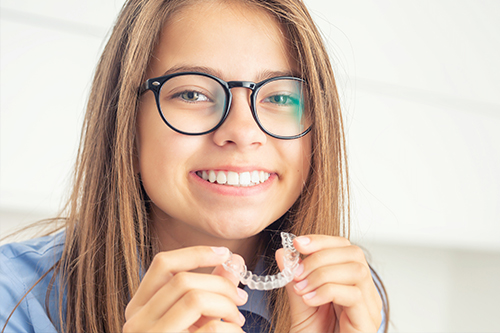
Keeping both teeth and aligners clean is essential. Remove trays for meals, rinse them before reinserting, and maintain your regular brushing and flossing routine. If you use supplemental cleaning tools, follow your provider’s recommendations to avoid damaging the aligner material.

At the conclusion of active aligner therapy, a clear plan for retention helps lock in the progress you’ve achieved. Your clinician will outline the type of retainer recommended and the duration of wear necessary to support long-term stability. Retainers are a simple, effective safeguard for preserving alignment once teeth have been repositioned.
Explore brief video resources that demonstrate clinical steps, patient care guidelines, and common procedural considerations related to clear aligner treatment.
*Invisalign® is a registered trademark of Align Technology, Inc.
Ready to learn whether clear aligner therapy is a good fit for your smile? Contact us for more information or to schedule a consultation. Our team at Vaccaro Aesthetic and Family Dentistry is available to explain the process, discuss clinical considerations, and help you determine the best path forward for your oral health and smile goals.
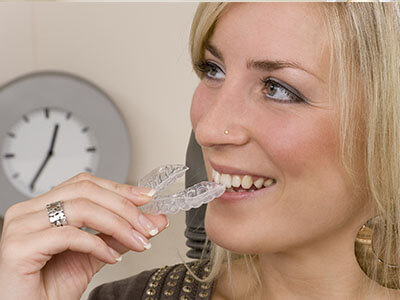

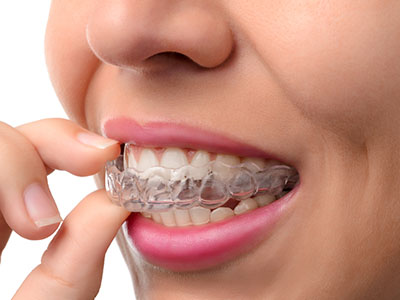
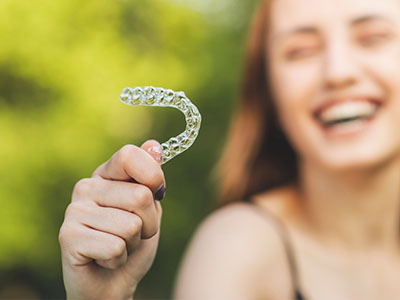
Clear aligner therapy uses a series of custom-made, transparent trays to move teeth gradually into planned positions. Clinicians create a three-dimensional digital map of your teeth and bite to prescribe each incremental movement. The aligners fit snugly and apply gentle, targeted pressure to specific teeth to guide them along the planned path. This digital-first approach helps make tooth movement predictable while preserving aesthetics during treatment.
Patients typically wear aligners for most of the day and switch to a new tray according to the provider's schedule to maintain progress. The trays are removable for eating and oral hygiene, which helps patients keep their teeth clean throughout treatment. Success depends on both precise clinical planning and patient adherence to the recommended wear time. Regular progress checks allow clinicians to confirm movement and make refinements if necessary.
Invisalign® is effective for many adults and teens with mild to moderate crowding, spacing, and certain bite concerns. Complex skeletal issues or severe malocclusions may require traditional orthodontics or combined treatments, so a clinical evaluation is necessary to determine the best approach. Before beginning aligner therapy, clinicians assess oral health, including gum condition, tooth decay, and existing restorations, because healthy tissue and sound restorations support predictable movement. Candidates who maintain good oral hygiene and follow wear instructions typically achieve the best results.
At Vaccaro Aesthetic and Family Dentistry our team performs a comprehensive exam and reviews digital records to determine suitability and outline treatment options. We discuss realistic goals and any adjunctive procedures that may optimize outcomes, such as staged restorative work or periodontal care. This collaborative planning ensures the chosen approach aligns with both functional needs and aesthetic preferences.
Treatment duration varies by case complexity, the types of tooth movements required, and patient compliance. Many adults complete active aligner therapy within roughly six to eighteen months, while some straightforward cases may finish sooner and more complex cases require longer. A digital treatment plan estimates the sequence and number of trays, but clinicians may recommend refinements to perfect the result. Commitment to the prescribed wear schedule is one of the most important factors in keeping the timeline predictable.
During treatment, routine checkups allow the clinician to monitor progress and make adjustments if movements are not tracking as planned. Some patients benefit from short refinement phases after the initial series to fine-tune alignment and bite. If tooth movement stalls or unexpected issues arise, the provider revises the plan to restore momentum. Clear communication and adherence to appointments help maintain efficient progress.
The first visit includes a thorough oral exam, review of dental and medical history, and diagnostic records such as digital photographs and intraoral scans. These records create a baseline for planning and help identify any dental conditions that should be treated before starting aligners. The clinician reviews how much movement is feasible with clear aligners and discusses alternative or adjunctive treatments when needed. Patients are encouraged to ask questions about expected changes and the timeline.
Modern digital workflows allow patients to preview a simulated treatment plan that illustrates step-by-step movements and a projected outcome. This visualization helps set realistic expectations and supports shared decision-making between patient and clinician. Once the plan is approved, the aligner series is fabricated and the office schedules the first fitting appointment to confirm fit and review wear instructions. Clear, upfront communication reduces surprises during the active phase of care.
Remove aligners for eating and drinking anything other than water to prevent staining and maintain material integrity. Rinse trays and brush them gently before reinserting to remove saliva and debris, and avoid hot water or abrasive cleansers that can warp the plastic. Maintain a consistent brushing and flossing routine so trays seat over a clean surface and minimize plaque accumulation. Regular professional cleanings and dental exams remain important while you are moving teeth.
Use only cleaning products recommended by your provider to keep aligners clear and odor-free, and replace trays on the schedule provided by your clinician. If an aligner becomes damaged or severely warped, contact the office promptly so the clinician can advise the best next step rather than attempting home repairs. Keep a protective case when trays are out of your mouth to reduce the risk of loss or contamination. Good hygiene practices protect both the aligners and the health of supporting tissues throughout treatment.
Many patients experience a brief period of tightness or soreness when switching to a new aligner as teeth begin to move. This sensation is usually mild and resolves within a few days as tissues adapt to the new position and pressure. Over-the-counter pain relievers, softer foods for the first day or two, and cold compresses can help manage temporary discomfort. If pain is severe or persists, contact the clinician to check fit and assess for other issues.
In rare cases a tray may not seat properly or an attachment can irritate soft tissue; these problems are generally resolved with minor adjustments in the office. The clinician can trim or smooth areas that cause rubbing and verify that attachments are positioned correctly to distribute forces. Persistent sensitivity beyond the expected adjustment period should be evaluated to rule out underlying dental conditions. Proactive communication ensures treatment stays comfortable and on schedule.
Attachments are small tooth-colored shapes bonded to teeth to provide additional grip for the aligner and help guide specific movements such as rotations or extrusions. Clinicians design the size, shape, and placement of attachments digitally so they work in concert with the planned tray sequence. Elastics or rubber bands may be added in cases where bite correction between the upper and lower arch is needed to achieve proper occlusion. Other adjuncts, such as precision cuts or temporary anchorage devices, are used selectively when indicated by the treatment plan.
While attachments and auxiliaries can increase treatment effectiveness, they do not alter the removable nature of the aligners and patients still remove trays for meals and hygiene. Proper care of the bonded attachments and adherence to elastic wear instructions are important to maintain planned forces and timing. Your clinician will explain why any auxiliary is recommended and how it affects day-to-day care during treatment. Understanding their role helps patients stay engaged and informed about the mechanics behind movement.
Follow-up intervals depend on the clinician's protocol and the specifics of the case, but many patients are seen every four to ten weeks to assess fit and progress. These visits allow the provider to confirm that teeth are tracking according to the digital plan and to deliver new sets of aligners or make small refinements. Remote monitoring tools may supplement in-office visits for straightforward cases, but periodic clinical evaluations remain essential. Timely checkups help catch deviation early and minimize the need for extensive revisions.
If movement is slower than expected, the clinician may recommend additional aligners, refinements, or in-office procedures to redirect progress. Emergency or unscheduled visits are scheduled as needed for lost or damaged trays or if discomfort suggests an issue. Clear communication with the practice about wear time, tray sequencing, and any concerns helps keep treatment on the intended path. Consistent attendance at follow-up visits is a cornerstone of predictable results.
Invisalign® has specific solutions tailored to adolescents, including features to accommodate erupting teeth and compliance indicators that help parents and clinicians monitor wear time. Growth and development considerations may influence timing, so clinicians evaluate whether treatment should begin immediately or wait until certain teeth or jaw growth are complete. Oral hygiene, motivation, and parental support play a significant role in successful outcomes for younger patients. When indicated, clear aligners can offer a less visible alternative to traditional braces with the added benefit of removability.
For teenagers with mixed dentition or active growth, the clinician may recommend a staged approach that sequences orthodontic care to align with eruption patterns. Regular oversight ensures attachments, auxiliaries, and wear schedules are adjusted as development progresses. Communication with school and sports programs about removal protocols helps maintain compliance and safety. The clinician will provide guidance specific to age, developmental stage, and individual dental needs.
Retention is a planned part of any orthodontic treatment and typically involves wearing a retainer to hold teeth in their new positions while bone and soft tissues adapt. Retainers may be removable or fixed; the clinician recommends a retention schedule based on the original malocclusion, the movements performed, and long-term stability considerations. Initially, many patients wear retainers full time for a period before transitioning to night-only wear as directed. Ongoing periodic exams help the clinician monitor stability and address any minor relapse early.
To discuss retention options or begin a personalized treatment plan, contact our office at (973) 377-8811 or visit us at 661 Shunpike Rd, Suite 1, Green Village, NJ 07935 to schedule a consultation with Vaccaro Aesthetic and Family Dentistry. During a follow-up visit the clinician will deliver retention appliances, demonstrate proper care, and outline a monitoring schedule tailored to your needs. Long-term success depends on following the prescribed retention plan and maintaining regular dental care. We encourage patients to stay engaged with routine exams to protect both alignment and overall oral health.

Ready to book your next dental visit or learn more about our services?
Getting in touch with Vaccaro Aesthetic and Family Dentistry is quick and easy. Our friendly team is here to help with scheduling, answering questions about treatments, and addressing any concerns. Whether by phone or our convenient online form, we make connecting with us easy. Take the first step toward a healthier, more confident smile—contact us today and experience personalized dental care that truly makes a difference.

Back to top
