

At the practice of Vaccaro Aesthetic and Family Dentistry, we take a preventive, patient-centered approach to oral health. Regular oral exams give our team the chance to identify small problems before they grow, screen for conditions that affect overall well-being, and tailor care to each person's needs. During an exam we combine a careful visual inspection with targeted diagnostic tools and thoughtful discussion so you leave with a clear understanding of your oral health and the steps to keep it strong and comfortable.
Your initial visit sets the baseline for future care and helps us learn the details that matter most for your health. We'll begin by reviewing your medical and dental history, noting medications, prior treatments, and any symptoms or concerns you bring. This conversation helps us detect potential risk factors and ensures that all subsequent care is safe and effective for you.
Next comes a systematic clinical evaluation. We inspect teeth for signs of decay, check gums for inflammation or pockets, assess the supporting bone and soft tissues, and evaluate your bite and jaw joint function. An oral cancer screening is performed as part of the routine exam, and we look for any abnormalities in the mouth, head, and neck that might warrant further attention.
Diagnostic imaging and intraoral photography are used selectively to reveal what can't be seen by the eye alone. Digital x-rays (and when indicated, three-dimensional imaging) allow us to examine tooth roots, bone levels, and developing problems that are hidden from view. After the exam we’ll review our findings with you and outline any recommended next steps, prioritizing conservative options whenever possible.

Oral health is not isolated from the rest of the body. Changes in the mouth can reflect systemic conditions, and untreated dental disease can influence other systems. During an exam we look for signs that may point to broader health concerns — persistent gum inflammation, unusual oral lesions, or dry mouth symptoms can all provide clues that warrant communication with your medical provider.
Research continues to show links between periodontal disease and conditions such as cardiovascular disease, diabetes, respiratory problems, and certain digestive disorders. While the relationships are complex and individual, identifying and managing oral inflammation plays a meaningful role in comprehensive health maintenance for many patients.
Conversely, systemic illnesses and medications often have oral manifestations: dry mouth from certain prescriptions, mucosal changes from autoimmune disease, and slower healing in patients with metabolic conditions. By noting these signs early, we can adapt your dental care and suggest appropriate referrals to help protect both your oral and overall health.

Keeping a healthy smile over a lifetime requires more than home care alone. Routine exams and professional cleanings remove plaque and calculus from hard-to-reach areas, interrupt disease processes, and let us monitor changes over time. These visits are also an opportunity to reinforce effective homecare techniques and to address habits — such as grinding or tobacco use — that can damage the teeth and supporting tissues.
Professional hygiene appointments help prevent cavities and gum disease by reducing the bacterial load and smoothing areas where plaque tends to re-accumulate. When calculus has formed beneath the gumline, hygienic treatment restores healthier tissue levels and makes oral maintenance easier between visits. A polished, cleaned mouth also helps you feel fresher and more confident.
For children and teens, regular exams are particularly important as they guide development and growth. We monitor how primary and permanent teeth erupt, evaluate jaw growth, and determine whether orthodontic guidance might be beneficial. Early detection and intervention can simplify care later and support long-term function and aesthetics.
Education is part of every visit: our team demonstrates brushing and flossing strategies tailored to your anatomy and lifestyle, discusses diet choices that support tooth and gum health, and recommends preventive measures such as sealants or topical fluoride when appropriate.
Visual inspection is essential, but imaging reveals the deeper story. Digital radiography provides a fast, low-radiation way to view the internal structure of teeth, the quality of the jawbone, and areas of hidden decay or infection. These images integrate seamlessly with your electronic record and make it easier for us to explain findings and plan care.
Beyond two-dimensional films, Cone-beam computed tomography (CBCT) can create three-dimensional views when more detailed information is needed — for example, to assess complex anatomy, plan surgical procedures, or evaluate the position of developing teeth. We reserve advanced imaging for situations where it changes diagnosis or treatment planning in a meaningful way.
Imaging also helps track changes over time. Comparing recent images with older ones allows us to detect subtle shifts in bone levels, lesion progression, or restoration integrity. This longitudinal perspective is a powerful tool for conservative, evidence-based care.
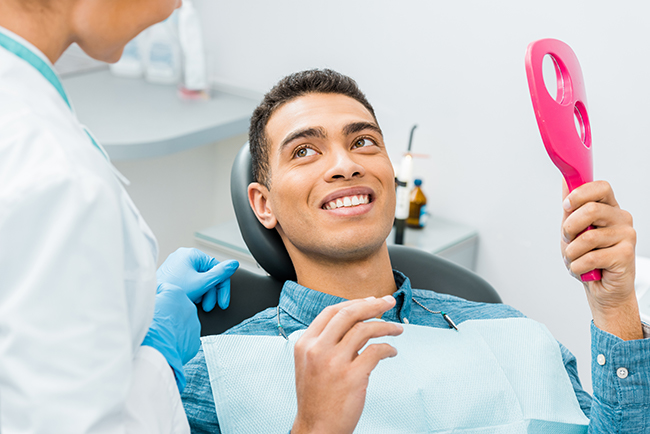
Different imaging types serve different purposes. Small periapical films focus on individual teeth and their roots, making them useful when evaluating pain or suspected infection. Bitewing images capture the upper and lower tooth surfaces in the same area, allowing us to detect early interproximal decay and monitor bone height between teeth.
A full mouth series combines periapical and bitewing views to give a comprehensive snapshot of the dentition and surrounding bone, while a panoramic image (panorex) offers a broad overview of both jaws, the position of unerupted or impacted teeth, and general jawbone health. Cephalometric films are used primarily in growth and orthodontic assessments to evaluate facial proportions and jaw relationships.
We recommend specific images based on your symptoms, history, and the findings of the clinical exam. Our goal is to obtain the diagnostic information needed to guide treatment while keeping exposure as low as reasonably achievable. Any recommended imaging will be explained so you understand who benefits, and why it’s being suggested.
Throughout every appointment, our team focuses on clear communication, careful assessment, and personalized recommendations. If you have questions about what an exam may include or whether it’s time for your next checkup, please contact us for more information.
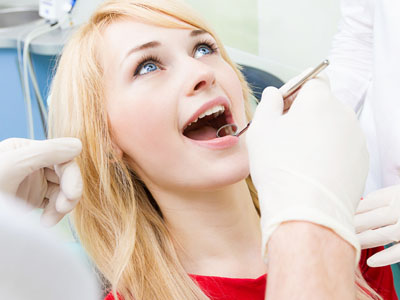

At the practice of Vaccaro Aesthetic and Family Dentistry we take a preventive, patient-centered approach to oral health that begins with a comprehensive oral exam. The visit typically starts with a review of your medical and dental history and a conversation about any symptoms, medications, or changes you have noticed. Clinically, the exam combines a careful visual inspection with palpation of the head and neck, evaluation of the bite and jaw joint, and an oral cancer screening performed as part of the routine assessment.
When indicated, the clinical exam is supplemented with diagnostic tools such as intraoral photography and digital radiographs to reveal conditions not visible to the eye. Findings are discussed in plain language and used to create a prioritized plan that favors conservative care whenever possible. The goal is to establish a baseline, identify risk factors, and give you clear steps to maintain or improve your oral health.
For many patients, routine oral exams every six months provide an effective schedule for prevention and early detection of dental problems. This interval allows hygienists and dentists to remove plaque and calculus, monitor changes over time, and catch developing issues when they are simpler to treat. However, exam frequency is individualized: patients with active gum disease, a history of frequent cavities, certain medical conditions, or specific risk factors may need more frequent visits.
Your dentist will recommend an exam cadence based on your clinical findings, risk profile, and home-care habits. Adjusting intervals helps balance the need for monitoring with a conservative approach to care. If you experience new symptoms between scheduled visits — pain, swelling, unusual sores, or persistent bleeding — you should contact the office for an earlier evaluation.
Bring an up-to-date list of medications, any relevant medical records, and a summary of your dental history, including previous treatments or surgeries. If you have recent x-rays from another office, bringing copies can help avoid unnecessary repeat imaging and provide useful context for diagnosis. Also bring a list of questions or concerns so the team can address what matters most to you during the visit.
If you are completing new-patient forms, ask whether they are available to fill out before your appointment to streamline check-in. Sharing information about allergies, recent hospitalizations, or changes in general health helps the dental team make safe, tailored decisions. Clear communication at the first exam sets the foundation for effective ongoing care.
An oral cancer screening is a standard part of a thorough oral exam and involves a visual and tactile inspection of the lips, tongue, floor and roof of the mouth, cheeks, and the lymph nodes of the head and neck. The clinician looks for persistent red or white patches, lumps, ulcers that do not heal, or other irregularities that could signal a problem. These examinations are quick, noninvasive, and can identify suspicious findings that warrant further testing.
If a lesion or area of concern is found, the dentist will document it, often using intraoral photography, and recommend appropriate next steps such as short-term re-evaluation, referral to a specialist, or biopsy when indicated. Early detection significantly improves outcomes, so routine screenings and timely follow-up for any persistent changes are essential for patient safety.
Diagnostic imaging is selected based on clinical need and can range from small intraoral radiographs to panoramic images that show both jaws. Bitewing and periapical x-rays are commonly used to detect early interproximal decay, evaluate root health, and assess bone levels around teeth. These digital images are fast, low-dose, and integrated into the patient record to aid in diagnosis and treatment planning.
When more detailed information is required, three-dimensional cone-beam computed tomography (CBCT) may be recommended to evaluate complex anatomy, plan implant placement, or assess pathology. Advanced imaging is reserved for cases in which it will change diagnosis or treatment decisions, and the team will explain the diagnostic benefit and safety considerations before recommending additional studies.
Oral exams do more than assess teeth and gums; they provide insight into conditions that can affect whole-body health. Persistent gum inflammation, certain oral lesions, and symptoms such as dry mouth can be linked to systemic diseases like diabetes, autoimmune disorders, and cardiovascular conditions. Identifying these oral signs early allows the dental team to recommend appropriate medical follow-up and to adapt dental care to the patient’s broader health needs.
Medications and systemic illnesses often produce oral manifestations, so a complete health history and close communication with your medical providers are important components of comprehensive care. By monitoring oral and systemic interactions, dental professionals help preserve function and comfort while supporting overall wellness.
A periodontal assessment evaluates the health of the gums and the supporting structures around the teeth and typically includes measuring probing depths, checking for bleeding on probing, and assessing tooth mobility. The clinician examines gum contours, recession, and the presence of plaque or calculus that can harbor bacteria. These objective measurements help determine the presence and severity of periodontal disease and guide treatment recommendations.
Based on assessment findings, the team may recommend preventive measures, nonsurgical therapies such as scaling and root planing, or more frequent maintenance visits to control inflammation. Education on effective home care and habit counseling are integral to periodontal management and long-term stability.
Pediatric oral exams focus on growth, development, and preventive care tailored to children’s changing anatomy and behavior. The clinician evaluates the eruption pattern of primary and permanent teeth, monitors jaw growth, screens for harmful habits like thumb-sucking, and assesses the need for space maintenance or early orthodontic guidance. Preventive interventions such as topical fluoride or dental sealants may be discussed to protect newly erupted teeth.
Behavior management and clear, age-appropriate education for both children and caregivers are important parts of pediatric visits. Early, regular exams establish a positive dental experience and allow the team to intervene when necessary to simplify future treatment and support healthy oral development.
After the exam you will receive a summary of findings and any recommended next steps presented in a clear, prioritized manner. Recommendations may include routine hygiene, targeted preventive measures, additional diagnostic imaging, or referrals to a specialist when advanced care is needed. The team will outline the rationale for each suggestion and answer questions so you understand the intended outcomes and timeline.
If treatment is recommended, the office will work with you to schedule appropriate follow-up appointments and to coordinate care across providers when necessary. Practical home-care instructions and any short-term precautions are provided so you can begin supporting oral health immediately after your visit.
The practice integrates modern diagnostic tools such as digital radiography, intraoral cameras, and electronic records to enhance accuracy, patient education, and continuity of care. These technologies allow the team to visualize concerns more clearly, document findings with images for comparison over time, and explain conditions and treatment options using concrete visual aids. Advanced imaging such as CBCT is used selectively when three-dimensional information will change diagnosis or treatment planning.
Combining thoughtful clinical examination with technology helps the team deliver conservative, evidence-based recommendations while keeping patient comfort in mind. Patients in Green Village and surrounding communities benefit from this approach through clearer communication, efficient visits, and a long-term focus on preserving oral function and appearance.

Ready to book your next dental visit or learn more about our services?
Getting in touch with Vaccaro Aesthetic and Family Dentistry is quick and easy. Our friendly team is here to help with scheduling, answering questions about treatments, and addressing any concerns. Whether by phone or our convenient online form, we make connecting with us easy. Take the first step toward a healthier, more confident smile—contact us today and experience personalized dental care that truly makes a difference.

Back to top
