

For patients with significant dental anxiety, fear, or sensitivity, our sedation dentistry services are designed to make visits calm, safe, and comfortable. In certain cases, an anesthesiologist comes to the office to provide professional monitoring and ensure the highest level of safety during sedation procedures.
Millions of Americans feel nervous about dental visits, and dental anxiety is a very real barrier to maintaining good oral health. If fear, sensitivity, or an overactive gag reflex has made dental care difficult, sedation dentistry can change that experience. Our goal is to make appointments calm, efficient, and safe so patients can get the treatment they need without distracting worry.
At Vaccaro Aesthetic and Family Dentistry, we approach sedation as a tool to improve patient comfort and clinical outcomes. Sedation does not replace local anesthesia; instead it complements it, helping patients stay relaxed while the dentist focuses on precise, high-quality care. Because every patient’s needs are different, we individualize our approach and review options before any treatment begins.
This page explains how sedation dentistry works, who benefits most, what to expect before and after a sedated appointment, and the safety measures we follow. If you have questions about sedation or whether it’s appropriate for your next visit, our team is ready to explain the options and help you make an informed choice.
Sedation dentistry is designed to reduce the stress and physical discomfort that often accompany dental procedures. For anxious patients, remaining calm can make routine cleanings, restorative work, and longer procedures far more manageable. By easing nervousness, sedation improves patients’ ability to tolerate care and follow through with recommended treatment plans.
Beyond emotional comfort, sedation can change the practical logistics of care: longer visits become more tolerable, fewer appointments may be required for extensive work, and clinicians can work more efficiently when a patient is calm and cooperative. That combination often leads to better clinical results and a more positive long-term relationship with dental care.
Importantly, sedation is not a “one-size-fits-all” solution. We assess medical history, current medications, and procedural needs to recommend the safest, most effective option. Throughout the appointment, the clinical team monitors vital signs and adjusts the level of sedation so patients remain secure and comfortable.
Sedation is appropriate for adults and some children who experience significant anxiety about dental treatment. Patients who have avoided the dentist for years due to fear, or who become visibly distressed at the thought of procedures, can often complete necessary care safely with properly supervised sedation. The result is restored oral health without the trauma that previously prevented treatment.
People facing long or complex procedures—such as multiple restorations, extractions, or implant placement—also benefit from sedation. When a patient can relax, clinicians can work more thoroughly in a single appointment, reducing the need for multiple visits while still maintaining careful, precise technique.
Other common reasons to consider sedation include a strong gag reflex that interferes with care, heightened sensitivity to dental instruments, or medical or developmental conditions that make it difficult to remain still during treatment. In each case, sedation helps create a safe environment for both the patient and the dental team.
Deciding whether sedation is right for you starts with an honest discussion about your anxiety level, medical history, and the type of dental work you need. We take time to answer questions and set realistic expectations so patients feel confident and prepared heading into treatment.

Sedation ranges from mild relaxation to deeper states of decreased awareness, and the method we recommend depends on the patient’s needs and the planned procedure. Before any sedation is administered, we review your current health, medications, and prior reactions to sedatives. That assessment helps us choose a safe, effective approach.
Most dental sedation is conscious sedation—patients remain responsive to verbal cues and breathe without assistance, yet feel deeply relaxed and often remember little of the procedure. General anesthesia, which is rarely used in a dental office, creates a deeper state of unconsciousness and is reserved for situations that require hospital-level monitoring by an anesthesiologist.
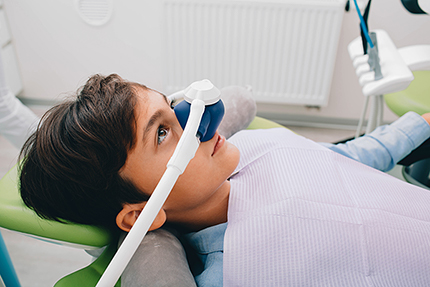
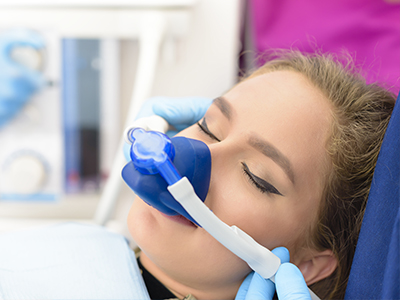
Office sedation options include inhaled nitrous oxide for light anxiety relief, prescribed oral medications that produce moderate relaxation, and intravenous (IV) sedation for greater control and a faster onset. Nitrous oxide wears off quickly after the mask is removed, oral sedatives typically require an escort home, and IV sedation allows close titration of medication during the procedure. Your treatment plan will spell out any preparation steps—such as fasting for IV sedation—and whether a companion is required for the trip home.
Safety is the highest priority when administering sedation. We begin with a thorough medical review that includes current medications, allergies, and any history of breathing or cardiac issues. This information guides the selection of sedatives and the monitoring plan for the appointment. If necessary, we collaborate with a patient’s physician to ensure coordinated care.
During a sedated procedure, clinicians continuously monitor vital signs and oxygen levels. For deeper levels of sedation, we use additional monitoring devices and follow standard safety protocols to ensure stable cardiovascular and respiratory function. Our team is trained in sedation techniques and emergency response should it be needed.
Patients receiving IV sedation will receive specific pre-appointment instructions about eating and drinking. For any sedation that impairs judgment or reaction time, an escort is required to drive the patient home and remain with them as their sedation wears off. We review post-procedure care so recovery is smooth and complications are minimized.
After a sedated visit, patients typically recover quickly but may feel groggy for several hours depending on the type of medication used. Clear instructions about resting, avoiding certain activities, and when to resume regular medications are provided before you leave the office. We schedule follow-up as needed to assess healing and address any lingering concerns.
One of the most important long-term benefits of sedation dentistry is improved access to care. Patients who once postponed treatment can complete restorative or preventive work, which prevents small problems from becoming larger issues. Over time, that leads to better oral health and fewer emergencies.
We understand that choosing sedation can feel like a big decision. Our team explains the expected effects, potential side effects, and recovery plan so patients and their families know exactly what to expect. If sedation is selected, we provide compassionate, step-by-step care from consultation through recovery.
In summary, sedation dentistry is a safe, effective way to reduce anxiety and increase comfort for a wide range of dental procedures. If you would like more information about sedation options or want to discuss whether it’s appropriate for your next visit, please contact us for more information.

Sedation dentistry uses medications to help patients relax during dental procedures while local anesthesia numbs specific areas of the mouth. Sedation can range from mild relaxation to deeper states where patients feel little awareness of the procedure, but it generally complements rather than replaces local anesthetic. This combination allows the clinician to control pain locally while helping the patient remain calm and comfortable.
At Vaccaro Aesthetic and Family Dentistry in Green Village, NJ, our clinicians evaluate each patient to determine whether sedation is appropriate and which level will be safest. We tailor the approach to the procedure and the patient’s medical history so care is both comfortable and clinically effective. Patients receive a clear explanation of what to expect before any sedative is given.
Good candidates include adults and some children who experience significant dental anxiety, have an overactive gag reflex, or cannot remain still for procedures. Patients who have postponed care for years because of fear, or who require long or complex treatment such as multiple restorations, extractions, or implant work, may also benefit from sedation. Medical or developmental conditions that make cooperation difficult are another common reason to consider sedation.
Determining candidacy begins with a thorough review of medical history, current medications, and the planned treatment. We discuss risks and benefits and consider any necessary medical consultations so the plan is safe and appropriate. The goal is to restore oral health while minimizing stress and ensuring patient safety.
Common office-based options include inhaled nitrous oxide, prescribed oral sedatives, and intravenous (IV) sedation, each offering different depths of relaxation and control. Nitrous oxide provides light, short-acting anxiety relief and wears off quickly after the mask is removed, while oral medications produce moderate relaxation and often require an escort home. IV sedation gives the dentist close titration of medication and a faster onset, allowing for deeper conscious sedation with careful monitoring.
General anesthesia, which produces unconsciousness, is rarely used in an office setting and is typically reserved for hospital-level care with an anesthesiologist. Most dental procedures are managed with conscious sedation techniques that allow patients to respond to verbal cues while still benefiting from significant anxiety reduction. Your clinician will explain which option best matches your needs and the procedure planned.
Safety begins with a detailed medical evaluation that includes current medications, allergies, and any history of breathing, cardiac, or other systemic issues. Our team continuously monitors vital signs and oxygen levels during sedated procedures, and we use additional monitoring equipment when deeper sedation is required. In certain cases an anesthesiologist comes to the office to provide advanced monitoring and support for the highest level of safety.
Staff members are trained in sedation protocols and emergency response, and we follow established guidelines to maintain stable cardiovascular and respiratory function. When appropriate, we coordinate care with a patient’s physician to address medical concerns before treatment. Clear pre-procedure instructions and post-procedure monitoring further reduce risk and promote a smooth recovery.
Preparation depends on the type of sedation selected but commonly includes fasting before IV sedation, adjusting certain medications under medical guidance, and arranging a responsible escort for the trip home. You should follow any specific instructions provided by the dental team, such as when to stop eating or drinking and whether to take regular medications on the day of the appointment. Bringing a list of current medicines, allergies, and recent medical information helps the team plan safely.
Wear loose, comfortable clothing and avoid strong perfumes or heavy makeup on the day of your visit, as these can interfere with monitoring or recovery. Make plans for a quiet place to rest after the appointment, since sedation can cause grogginess for several hours. If you have any questions about preparation, call the office ahead of time so team members can clarify requirements.
Recovery varies by the sedative used but commonly involves grogginess, slowed reaction times, and mild coordination changes for several hours after the procedure. Nitrous oxide wears off quickly and patients often resume normal activities soon after, while oral and IV sedatives may require longer rest and supervision. The dental team provides specific post-procedure instructions about medication timing, activity restrictions, and warning signs that should prompt a call to the office.
It is important to avoid driving, operating heavy machinery, or making important decisions until you are fully alert and cleared by the clinician. Have a responsible adult accompany you home and remain with you until the immediate effects have dissipated. Follow any scheduled follow-up appointments so healing can be assessed and any questions addressed promptly.
Awareness and memory depend on the level and type of sedation used. With conscious sedation, patients typically remain responsive to verbal cues and may remember parts of the procedure, although many experience reduced recall. IV sedation commonly produces amnesia for the procedure, meaning patients often remember little or nothing afterward, while nitrous oxide rarely causes complete memory loss.
Your dentist will explain the likely level of awareness for the technique recommended and set realistic expectations during the pre-treatment discussion. If memory of the visit is a concern, discuss it with your clinician so they can choose an approach that aligns with your comfort and clinical needs. Clear communication before treatment helps patients feel more in control of the experience.
Yes, certain conditions and medications influence which sedatives are safe and effective. Chronic respiratory problems, severe sleep apnea, certain cardiac conditions, and pregnancy may alter sedation recommendations or require additional precautions. Prescription medications, herbal supplements, and substances such as alcohol or recreational drugs can interact with sedatives, so full disclosure of all substances is essential for safe planning.
Before any sedated appointment you will be asked to provide detailed medical history and medication lists so the team can assess risks and, if necessary, consult with your physician. Adjustments to medication timing or alternative approaches to anxiety management may be recommended to reduce risk. Honest communication about health and habits allows the dental team to select the safest option for your care.
Sedation dentistry can make longer visits more tolerable for patients, allowing clinicians to complete multiple procedures in fewer appointments with reduced patient stress. When a patient is relaxed, the dental team can work more efficiently and precisely, which often improves clinical outcomes and shortens overall treatment timelines. This is particularly helpful for cases involving several restorations, extractions, or implant placement where extended focus is required.
Reducing anxiety also increases the likelihood that patients will follow through with recommended care, preventing small problems from becoming more serious. For patients who have avoided dental visits due to fear, sedation can be the key to restoring oral health in a single coordinated treatment plan. The result is better long-term oral health and a more positive relationship with dental care.
Deciding whether sedation is appropriate begins with an honest conversation about your anxiety level, past dental experiences, medical history, and the type of procedure needed. During a consultation the dentist or treatment coordinator will review options, explain risks and benefits, and recommend the safest method based on your individual needs. Bring a list of questions and any medical records that may affect the plan so the discussion is thorough and informed.
If you choose sedation, the team will provide clear instructions for preparation, monitoring during the appointment, and post-procedure care so you know what to expect. Communication remains open throughout treatment, and you are encouraged to raise any concerns before, during, or after the procedure. A collaborative approach helps ensure sedation supports a comfortable, effective dental experience.

Ready to book your next dental visit or learn more about our services?
Getting in touch with Vaccaro Aesthetic and Family Dentistry is quick and easy. Our friendly team is here to help with scheduling, answering questions about treatments, and addressing any concerns. Whether by phone or our convenient online form, we make connecting with us easy. Take the first step toward a healthier, more confident smile—contact us today and experience personalized dental care that truly makes a difference.

Back to top
