

Quality sleep matters to your health, mood, and daytime performance. Yet millions of adults wake feeling unrefreshed because breathing repeatedly stops and starts during the night. Obstructive sleep apnea is the most common form of this condition, and it can quietly undermine cardiovascular health, metabolic control, and overall well-being. At the office of Vaccaro Aesthetic and Family Dentistry, we evaluate sleep-related breathing issues and offer clinically grounded dental solutions that support safer, more restorative sleep.
Sleep apnea is a physiological problem in which breathing is partially or completely blocked during sleep. In obstructive sleep apnea (OSA), the soft tissues in the throat and the base of the tongue collapse toward the airway when the muscles relax, producing interruptions in airflow. These pauses can last several seconds and may occur many times per hour, fragmenting normal sleep architecture and preventing the deep, restorative stages of sleep your body needs.
Not all breathing interruptions are the same. Central sleep apnea, for example, stems from a lack of respiratory drive from the brain, while mixed forms combine both obstruction and neurologic components. For most adults who snore and feel excessively sleepy during the day, the obstructive variety is the likeliest cause — and it is the type that dental sleep medicine most directly addresses.
Beyond the immediate fatigue, repeated nocturnal oxygen dips and frequent arousals place strain on the cardiovascular system and other organ systems over time. Research links untreated OSA with higher rates of hypertension, stroke, atrial fibrillation, and impaired glucose regulation. Recognizing how sleep apnea operates helps patients and clinicians choose appropriate, evidence-based strategies that reduce risk and restore sleep quality.
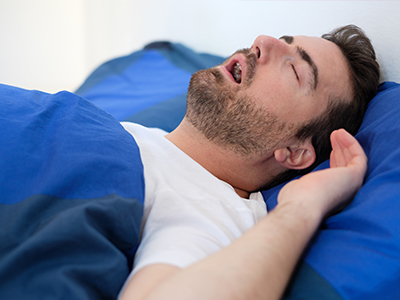
Snoring is a common sign, but it’s only one piece of the picture. Nighttime indicators include witnessed pauses in breathing, choking or gasping episodes, restless sleep, and frequent awakenings. Because these events often happen while the person is asleep, a bed partner’s observations can be a crucial part of early detection.
Daytime consequences are equally important. Individuals with sleep apnea frequently report unrefreshing sleep, overwhelming daytime sleepiness, difficulty concentrating, memory lapses, and a shortened attention span. Mood disturbances such as irritability and low motivation are also common and can affect relationships and professional performance.
Medical conditions that coexist with OSA — including obesity, type 2 diabetes, high blood pressure, and reflux — make it more likely that a sleep disorder is present. Similarly, anatomical features such as a large neck circumference, crowded dental arches, enlarged tonsils, or a recessed jaw can increase airway vulnerability. A comprehensive assessment integrates symptoms, health history, and physical findings to clarify the level of concern.
Determining whether someone has sleep apnea starts with screening and may progress to formal testing. Overnight polysomnography in a sleep lab remains the gold standard, capturing brain waves, oxygen levels, airflow, breathing effort, and limb movements. Home sleep apnea testing is an appropriate alternative for many adults suspected of having moderate to severe OSA; these simplified studies record key parameters such as airflow and blood oxygen and can be conducted in the comfort of your own home.
Dentists with training in Dental Sleep Medicine play an important role in screening for OSA and collaborating with physicians. We routinely identify oral and airway risk factors during dental exams and can refer patients for medical evaluation when warranted. If a sleep study confirms OSA, the severity and the patient’s medical profile will guide the choice of therapy.
Interdisciplinary coordination matters: sleep physicians, pulmonologists, and dentists often work together to create a safe, effective treatment plan. Clear communication ensures the device or therapy selected matches the patient’s anatomy, preferences, and overall health needs while allowing for ongoing monitoring and adjustment.
Continuous Positive Airway Pressure (CPAP) is a highly effective treatment that delivers pressurized air through a mask to keep the airway open during sleep. For many patients with moderate to severe OSA, CPAP significantly reduces apnea events and improves daytime alertness. However, some people find the mask or machine uncomfortable or difficult to tolerate long-term.
Oral appliance therapy is a well-established alternative for people with mild to moderate OSA and for those who cannot tolerate CPAP. These devices are worn in the mouth at night and work by repositioning the lower jaw or stabilizing soft tissues to maintain an open airway. Because they are custom-made and adjusted to each patient’s bite and oral anatomy, modern appliances can be both effective and comfortable when fabricated and calibrated correctly.
Treatment decisions are individualized. Factors such as apnea severity, dental health, jaw alignment, and patient preference influence whether CPAP, an oral appliance, positional therapy, or a combination of approaches is recommended. Regular follow-up is essential to assess outcomes, fine-tune appliance settings, and ensure that improvements in symptoms are sustained over time.
Dental sleep medicine focuses on designing oral devices that safely reduce airway collapse while preserving dental health. Our process begins with a thorough clinical evaluation, including an airway-focused examination, dental records, and a review of any sleep study results. We explain the options and collaborate with your medical sleep team to create a treatment plan that fits your needs.
When an oral appliance is chosen, impressions and precise measurements are taken to create a custom device. The goal is to balance airway benefit with long-term dental stability and comfort. After delivery, we schedule follow-up visits to check fit, measure symptom improvement, and make incremental adjustments to optimize performance. Periodic monitoring, including objective testing when appropriate, helps confirm that the appliance is reducing apnea events as intended.
Many patients experience meaningful improvements in snoring, sleep continuity, and daytime energy when treatment is properly matched to their condition. Our team at Vaccaro Aesthetic and Family Dentistry emphasizes evidence-based care, careful fabrication, and attentive follow-up to help patients achieve safer sleep without compromising oral health.
Sleep-disordered breathing is a serious but often treatable condition. If you suspect you or a loved one may have sleep apnea, early evaluation can prevent long-term health consequences and restore restorative sleep. Contact us to learn more about our approach and to discuss whether a dental sleep medicine evaluation is right for you.


Obstructive sleep apnea (OSA) is a sleep-related breathing disorder in which the upper airway repeatedly narrows or collapses during sleep, causing pauses in breathing and fragmented sleep. These interruptions reduce oxygen levels and trigger brief awakenings that prevent deep, restorative sleep. Over time, the physiological stress from repeated oxygen dips and arousals can increase the risk of cardiovascular problems and metabolic disturbances.
Untreated OSA is associated with higher rates of hypertension, stroke, atrial fibrillation, and impaired glucose regulation, and it can impair daytime alertness, concentration, and mood. Because OSA has both local airway and systemic effects, diagnosing and treating the condition can improve sleep quality and reduce health risks. Early recognition and appropriate therapy are important components of long-term risk reduction.
Common nighttime signs include loud, habitual snoring, witnessed pauses in breathing, gasping or choking episodes, and restless sleep. These features are often first noticed by a bed partner, but many patients also experience fragmented sleep without a clear observer.
Daytime symptoms that should prompt evaluation include excessive sleepiness, difficulty concentrating, morning headaches, irritability, and decreased work performance. Medical factors such as obesity, high blood pressure, type 2 diabetes, and a history of cardiovascular disease raise suspicion and warrant screening for sleep-disordered breathing.
Diagnosis typically begins with a clinical screening and symptom review, followed by objective testing when indicated. In-laboratory polysomnography remains the gold standard, recording brain activity, airflow, respiratory effort, oxygenation, and other physiologic parameters to provide a comprehensive assessment.
Home sleep apnea testing is an appropriate alternative for many adults and measures airflow, oxygen levels, and breathing effort in the home environment. While home studies are convenient and effective for detecting moderate to severe OSA, formal lab testing may be preferred for complex cases, uncertain diagnoses, or when additional sleep disorder evaluation is necessary.
Dentists trained in dental sleep medicine are well positioned to screen for airway risk factors during routine exams, identify signs such as a small or recessed jaw, crowded dental arches, or bruxism, and refer patients for medical evaluation when appropriate. Dental professionals collaborate with sleep physicians to ensure the diagnosis and treatment plan are medically sound and tailored to the patient.
When oral appliance therapy is indicated, the dentist provides a comprehensive evaluation, creates a custom device, and manages dental follow-up to protect oral health. Ongoing coordination with a sleep physician allows objective monitoring of treatment outcomes and adjustments when necessary.
Oral appliances are custom-fitted devices worn during sleep that modify jaw or tongue position to maintain an open airway and reduce collapse. Most devices advance the lower jaw slightly or stabilize soft tissues, which decreases the frequency of obstruction and improves airflow during sleep.
These appliances are typically recommended for people with mild to moderate OSA, patients who snore, and individuals who cannot tolerate CPAP therapy. Selection depends on apnea severity, dental and jaw health, and individual anatomy, and treatment should be supervised by both a dentist and a sleep physician.
A dental sleep medicine visit begins with a focused history and airway examination, including assessment of jaw position, dental occlusion, and soft tissue structures. The dentist will review any existing sleep study results, ask about daytime symptoms, and document medical conditions that could influence treatment choices.
If an oral appliance is indicated, records such as dental impressions or digital scans and bite measurements are taken to fabricate a custom device. After delivery, you should expect scheduled follow-ups for fit checks, titration of the device, and periodic monitoring to evaluate symptom improvement and dental stability.
Continuous positive airway pressure (CPAP) is highly effective at eliminating apnea events when used consistently, and it remains the preferred therapy for many cases of moderate to severe OSA. However, CPAP adherence can be limited by mask discomfort, noise, or intolerance, which reduces its real-world effectiveness for some patients.
Oral appliances are generally less disruptive and more comfortable for many users, leading to higher nightly use in some populations, and they can provide clinically meaningful improvements for mild to moderate OSA. The best option depends on the severity of the disorder, the patient’s anatomy and preferences, and objective monitoring of outcomes in collaboration with a sleep physician.
Long-term use of oral appliances can produce dental or jaw-related changes, including altered bite alignment, tooth movement, and temporomandibular joint discomfort in some patients. These effects are typically gradual and can be monitored and managed with regular dental follow-up and appropriate adjustments to the device.
Risk mitigation strategies include baseline dental records, periodic evaluation of occlusion and joint function, and collaborative care with your dentist to modify the appliance if adverse changes occur. With careful oversight, many patients experience symptom relief while maintaining acceptable dental health.
Interdisciplinary care ensures that diagnostic testing, medical management, and dental interventions are aligned with the patient’s overall health needs. Sleep physicians, pulmonologists, and dentists communicate about diagnostic findings, treatment goals, and objective outcome measures to select the safest and most effective therapy.
Regular information exchange allows for timely adjustments, such as transitioning between therapies, augmenting treatment when residual events persist, or addressing side effects. This team-based approach improves monitoring, enhances patient safety, and supports sustained improvements in sleep quality and health.
Begin by discussing your symptoms during a regular dental visit or by calling our office to request a dental sleep medicine evaluation in Green Village, NJ. We will review your medical and sleep history, perform an airway-focused dental exam, and coordinate with your physician to determine whether objective testing or a referral is needed.
If an oral appliance is appropriate, we will take precise records, fabricate a custom device, and provide scheduled follow-ups to optimize fit and function. Our team at Vaccaro Aesthetic and Family Dentistry emphasizes evidence-based care and interdisciplinary collaboration to help you achieve safer, more restorative sleep.

Ready to book your next dental visit or learn more about our services?
Getting in touch with Vaccaro Aesthetic and Family Dentistry is quick and easy. Our friendly team is here to help with scheduling, answering questions about treatments, and addressing any concerns. Whether by phone or our convenient online form, we make connecting with us easy. Take the first step toward a healthier, more confident smile—contact us today and experience personalized dental care that truly makes a difference.

Back to top
