

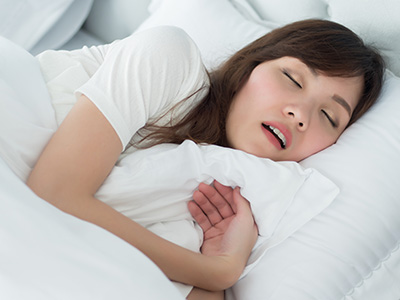
Snoring is the sound produced when air flowing through the upper airway causes relaxed tissues — such as the soft palate, uvula, and throat walls — to vibrate. Everyone snores occasionally, especially when tired or after drinking alcohol, but for some people this becomes a nightly disturbance that affects sleep quality for both the sleeper and their household. Understanding the mechanics behind the noise is the first step toward meaningful improvement.
The way your airway behaves during sleep depends on anatomy, muscle tone, and how you position yourself. When muscles relax, the airway narrows and airflow becomes turbulent. That turbulence is what creates the familiar rattle or buzz of snoring. In many adults, simple changes in habit or sleep position can reduce snoring, but persistent or loud snoring may warrant a closer look to rule out more significant sleep-disordered breathing.
For patients who snore frequently, it’s important to distinguish between primary snoring and conditions that require medical evaluation. Primary snoring refers to noisy breathing without the pauses in breathing or oxygen changes seen in obstructive sleep apnea (OSA). Because the implications for health and treatment differ, a careful assessment helps determine whether a dental appliance, lifestyle changes, or referral to a sleep specialist is the right path forward.
Several anatomical and behavioral factors can increase the likelihood of snoring. Narrow nasal passages due to congestion or a deviated septum can force breathing through the mouth, increasing vibration at the back of the throat. Likewise, naturally large tonsils or a long soft palate create more tissue that can vibrate. These are physical reasons that an appliance or medical treatment might be necessary to improve airflow.
Muscle tone and daily habits also play a major role. Alcohol and certain medications that relax muscles can allow the airway to collapse more easily during sleep. Sleep deprivation and irregular sleep patterns tend to deepen sleep and increase muscle relaxation, which can intensify snoring. Even simple things like sleeping on your back allow the jaw and tongue to fall backward, narrowing the airway and encouraging noise.
Addressing lifestyle contributors alongside any device-based treatment often produces the best results. Improving sleep hygiene, avoiding late-night alcohol, and trying positional strategies can reduce nightly vibration. For many patients, combining these changes with a professionally fitted oral appliance offers meaningful reductions in snoring without invasive procedures.
Not all snoring is harmless, so part of the evaluation process is identifying warning signs that suggest a need for further medical assessment. Symptoms such as frequent gasping or choking at night, excessive daytime sleepiness, morning headaches, or witnessed pauses in breathing are reasons to pursue a more in-depth workup. In those situations, your dentist will coordinate care with your physician or a sleep specialist to ensure appropriate testing.
Screening often starts with a careful medical and dental history and may include questionnaires that estimate the likelihood of sleep apnea. If screening indicates elevated risk, a clinician may recommend a sleep study — performed in a lab or with home testing equipment — to measure breathing, oxygen levels, and sleep stages. The results guide whether a dental appliance is suitable or whether other therapies should take priority.
For people who are determined to be primary snorers, where testing shows minimal or no apnea, an oral snoring appliance typically becomes a practical, non-invasive option. When sleep apnea is present, appliances can still play a role — often as an adjunct or for patients who cannot tolerate other treatments — but that decision is made in collaboration with medical professionals.
Custom snoring appliances — often called mandibular advancement devices or MADs — are made to fit each patient’s mouth and are intended to hold the lower jaw forward slightly during sleep. By advancing the jaw, these devices increase the space behind the tongue and reduce tissue vibration, which improves airflow and often quiets or eliminates snoring. Because they are removable and non-surgical, many patients prefer them as a practical first-line option.
The appliance process begins with an oral exam and impressions or digital scans of your teeth. These records allow a dental laboratory to craft a device that matches your bite and provides comfortable, controlled jaw positioning. Modern appliances are made from biocompatible materials designed for nightly use and can be adjusted incrementally by the dentist to balance comfort with effectiveness.
One advantage of a custom appliance versus an off-the-shelf product is the precision fit, which minimizes sore spots, excessive tooth pressure, and device movement during sleep. A tailored approach also allows for predictable adjustments over several visits so the device can be fine-tuned to your anatomy and symptom relief goals.
The first fitting appointment focuses on comfort and baseline function. After the appliance is delivered, many patients notice an immediate reduction in snoring intensity, though full improvement may take a few nights as the body adapts. A brief period of jaw soreness or minor tooth sensitivity can occur initially; these effects typically ease as you get used to the device. Your dentist will schedule follow-up visits to make small adjustments and to monitor how the appliance is affecting sleep and oral health.
Long-term success depends on regular care and periodic dental exams. Patients should clean the device nightly, store it properly, and bring it to scheduled checkups so your dental team can inspect fit and condition. Because appliances change bite forces slightly over time, routine monitoring helps catch any shifts early and prevents unwanted tooth movement or joint discomfort.
Not every patient is an ideal candidate for a snoring appliance — for example, those with significant periodontal disease, very few remaining teeth, or certain jaw joint conditions may need alternative approaches. During your consultation, your dentist will review your oral health and discuss realistic expectations so you can make an informed decision about next steps.
At Vaccaro Aesthetic and Family Dentistry, we focus on personalized evaluation and careful follow-up to help patients find a comfortable, effective solution for snoring. If you’d like to learn whether a custom snoring appliance might be appropriate for you, please contact us for more information.


Snoring occurs when airflow through the upper airway causes relaxed tissues — such as the soft palate, uvula and throat walls — to vibrate and produce sound. Anatomy, muscle tone and sleep position all influence how much the airway narrows when you sleep, and greater narrowing increases turbulent airflow and vibration. Occasional snoring is common, but when it becomes nightly or loud it can indicate a need for evaluation to identify contributing factors.
Many people snore more after alcohol, sedatives or poor sleep because these factors reduce muscle tone in the throat and allow tissues to collapse more easily. Nasal congestion, a deviated septum, enlarged tonsils or a long soft palate can also create more tissue that vibrates during breathing. Understanding the underlying causes is the first step in deciding whether positional measures, lifestyle changes or a dental appliance will be the most effective approach.
Custom snoring appliances, often called mandibular advancement devices, hold the lower jaw slightly forward during sleep to increase the space behind the tongue and reduce tissue vibration. Advancing the jaw improves airway patency so airflow becomes smoother and less turbulent, which typically decreases the intensity and frequency of snoring. Because these devices are removable and noninvasive, they are commonly recommended for patients who have primary snoring or who cannot use other therapies.
A properly fitted appliance distributes forces across the teeth and jaw to minimize discomfort and maximize stability overnight. Dental impressions or digital scans are used to create a device tailored to your bite, and adjustments can be made gradually to balance comfort with effectiveness. This individualized process helps reduce common problems found with over-the-counter products, such as poor fit, soreness and device movement during sleep.
Distinguishing primary snoring from obstructive sleep apnea (OSA) is important because OSA involves repeated pauses in breathing, oxygen desaturations and increased health risks that require medical management. Screening begins with a careful medical and dental history, questionnaires about daytime sleepiness and any witnessed breathing pauses, and an assessment of risk factors like high BMI, hypertension and neck circumference. When screening suggests possible OSA, clinicians typically recommend a formal sleep study performed in a lab or with home testing to measure breathing, oxygen levels and sleep stages.
If testing confirms minimal or no apnea, a dental appliance may be an appropriate treatment for primary snoring. When OSA is present, appliances can still have a role — for example, for mild to moderate OSA or when patients cannot tolerate first-line therapies — but the decision is made collaboratively with a physician or sleep specialist. Ongoing monitoring is essential to ensure safety and effectiveness when an appliance is used in the context of sleep-disordered breathing.
Ideal candidates for a snoring appliance are patients whose testing and clinical evaluation show primary snoring or only mild sleep-disordered breathing, who have adequate dental support and healthy periodontal tissue, and who prefer a noninvasive nightly device. Patients with sufficient natural teeth or well-fitting dental restorations typically achieve better appliance retention and comfort, and those without significant temporomandibular joint (TMJ) pain are more likely to tolerate jaw advancement. A thorough oral exam helps determine whether dental health or bite considerations require alternative approaches.
Certain conditions may make an appliance less appropriate, including advanced periodontal disease, very few remaining teeth, severe TMJ disorders or complex airway obstruction requiring surgical or medical interventions. In those cases, your dentist will explain other options or collaborate with medical colleagues to develop a safe treatment plan. Shared decision-making ensures that each patient receives the most appropriate therapy based on their diagnostic results and personal needs.
The fitting process begins with an oral examination and impressions or digital scans of your teeth so a dental laboratory can fabricate a custom device that matches your bite. At delivery, the dentist will check fit, comfort and jaw position and provide instructions for gradual wear, typically starting with short periods and progressing to full nights as you adapt. Follow-up visits are important so the appliance can be adjusted incrementally to find the optimal balance between symptom relief and comfort.
During the first few nights you may notice decreased snoring and some transient jaw soreness or tooth sensitivity, which usually resolve as muscles adapt. Your dental team will monitor for changes in bite, TMJ symptoms and oral health at scheduled checkups to prevent unwanted side effects. Regular monitoring allows timely adjustments and helps ensure the device remains effective over time.
When prescribed and monitored by a qualified dental professional, snoring appliances are generally safe for long-term use, but they require routine follow-up to identify and manage potential side effects. Possible issues include mild tooth movement, changes in bite, increased salivation or temporary jaw discomfort, which are typically manageable if detected early through periodic exams. Maintaining good periodontal health and attending scheduled checkups reduces the risk of complications and supports ongoing device function.
Long-term success relies on regular care of both the appliance and the mouth, including cleaning the device nightly and bringing it to dental visits for inspection. If any new symptoms develop, such as persistent TMJ pain or noticeable bite changes, patients should contact their dentist promptly so adjustments or alternative strategies can be considered. Proactive monitoring helps preserve oral health while maintaining the benefits of reduced snoring.
Proper care keeps the device sanitary, functioning and comfortable. Clean the appliance each morning using a soft toothbrush and mild soap or a dentist-recommended cleaner, rinse it thoroughly, and store it in a ventilated case away from pets and heat when not in use. Avoid toothpaste or abrasive cleaners that can scratch the surface and harbor bacteria.
Bring the appliance to your dental appointments so the team can inspect it for wear, check fit and make necessary adjustments. Replace the device according to the manufacturer’s or dentist’s guidance when it shows signs of deterioration. Routine home care combined with professional checks helps extend the life of the appliance and maintain oral health.
Many patients achieve better results by combining a snoring appliance with lifestyle and behavioral changes that support open airways. Improving sleep hygiene, maintaining a healthy weight, avoiding late-night alcohol and sedatives, and establishing regular sleep schedules can all reduce the likelihood of airway collapse during sleep. Sleeping on your side and elevating the head slightly are simple positional strategies that may decrease snoring for some individuals.
Addressing nasal congestion and allergies with medical management when appropriate can also improve nasal breathing and reduce mouth breathing, which tends to increase throat vibration. Because snoring often has multiple contributing factors, a combined approach that includes both appliance therapy and targeted lifestyle changes typically produces the best long-term outcomes. Your dental team can discuss practical modifications tailored to your specific situation.
Referral to a sleep specialist is recommended when screening or symptoms suggest obstructive sleep apnea or other significant sleep-disordered breathing. Red flags include witnessed pauses in breathing, frequent nighttime choking or gasping, excessive daytime sleepiness that interferes with daily activities, morning headaches, or a history of cardiovascular disease or uncontrolled hypertension. In these cases, a sleep physician can order diagnostic testing and recommend therapies such as CPAP, positional therapy, or combined treatment approaches.
Even when a dental appliance is appropriate, collaboration with a sleep specialist may be necessary for ongoing monitoring or when additional medical therapies are indicated. Coordinated care ensures that both airway health and oral health are addressed safely and effectively. Your dentist will work with medical colleagues when needed to provide comprehensive evaluation and follow-up.
At Vaccaro Aesthetic and Family Dentistry we begin with a thorough medical and dental history, an oral exam and appropriate screening to differentiate primary snoring from sleep-disordered breathing. When indicated, we coordinate care with referring physicians or sleep specialists and recommend diagnostic testing to guide treatment decisions. For candidates for oral appliance therapy, we take digital scans or impressions to fabricate a custom device and provide detailed instructions for use and gradual adjustment.
Follow-up care includes scheduled visits to fine-tune the appliance, monitor for changes in bite or TMJ symptoms and evaluate symptom improvement. We emphasize regular oral health checks and clear home-care instructions to support long-term success and safety. This structured approach helps ensure each patient receives a personalized plan that addresses both snoring and overall oral well-being.

Ready to book your next dental visit or learn more about our services?
Getting in touch with Vaccaro Aesthetic and Family Dentistry is quick and easy. Our friendly team is here to help with scheduling, answering questions about treatments, and addressing any concerns. Whether by phone or our convenient online form, we make connecting with us easy. Take the first step toward a healthier, more confident smile—contact us today and experience personalized dental care that truly makes a difference.

Back to top
