

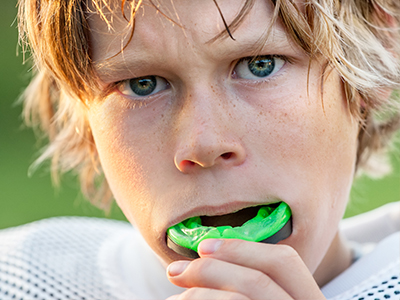
Participating in sports brings many benefits — from fitness to teamwork — but it also introduces the risk of oral and facial injuries. A direct blow to the mouth can crack or displace teeth, lacerate soft tissues like lips and cheeks, or cause jaw and temporomandibular joint (TMJ) trauma that affects function and comfort for months. For young athletes and weekend warriors alike, a properly fitted mouthguard reduces the chance of these disruptive injuries and helps preserve both dental health and long-term quality of life.
Beyond protecting teeth and soft tissues, mouthguards can minimize the force transmitted to the jaw and skull during impact. This cushioning effect can lessen the severity of concussions and jaw fractures in some incidents, and it reduces the chance of costly restorative treatment later on. While no protective device can eliminate every risk, a mouthguard is among the most effective, low-effort steps athletes can take to protect their smiles and overall well-being.
Parents, coaches, and athletes often underestimate how simple prevention can prevent complex problems. For anyone involved in contact sports or activities where falls and strikes are possible — including soccer, basketball, hockey, lacrosse, or cycling — wearing a mouthguard should be considered an essential piece of safety equipment, much like a helmet or shin guards.
Sports mouthguards come in three common varieties, each with different levels of fit, comfort, and protection. Stock mouthguards arrive ready to wear and require no molding; they are inexpensive and immediately available but tend to be bulky and poorly adapted to the wearer’s mouth. Boil-and-bite models offer an intermediate solution: heated in hot water and then shaped around the teeth by biting down. They improve fit over stock guards, but their performance varies with how well they were molded.
Custom-fabricated mouthguards are made in a dental office from an impression or digital scan of an athlete’s teeth. Because they’re crafted to the individual anatomy of the mouth, they offer superior fit, retention, and comfort, which encourages consistent use. They can also be tailored in thickness and coverage to balance protection with breathing and speech needs — an important consideration for athletes who must communicate on the field or maintain an optimal airway during exertion.
While budget and convenience influence decisions, the best choice is the one an athlete will actually wear. A snug, comfortable guard—often custom-made—provides more reliable protection than a poorly fitting model that’s frequently left out of play.
Orthodontic appliances, dental restorations, and the developing mouths of children introduce special considerations when selecting a mouthguard. Braces, wires, and brackets create additional injury risks from sharp edges and increased potential for tooth displacement. In these cases, a protective design that covers both upper and lower teeth or a custom appliance that accounts for orthodontic hardware is often recommended to shield soft tissues and minimize movement of teeth during impact.
Individuals with restorations — such as crowns or implant-supported teeth — may need a guard that accommodates those structures without causing undue pressure. Likewise, young athletes whose jaws are still growing benefit from periodic reassessment; a mouthguard that fit well last season may no longer be appropriate. Regular dental checkups allow adjustments or refabrication to ensure continued protection, comfort, and function throughout growth and treatment changes.
Athletes who breathe through their mouths, participate in high-intensity sports, or require speech clarity during play should discuss options that balance protection with airflow and communication. A well-designed mouthguard can avoid unnecessary obstruction while still providing robust defense against injury.
Choosing a custom mouthguard typically begins with an evaluation of the athlete’s oral anatomy, orthodontic status, and the specific demands of their sport. At that appointment, the dentist will discuss desired coverage, thickness, and whether a single-arch or dual-arch design is most appropriate. If a custom guard is recommended, an impression or digital scan of the teeth is taken to capture precise details; this information guides the laboratory fabrication or in-office milling of the appliance.
The fabrication process uses resilient dental materials engineered to absorb and disperse impact energy. Once completed, the guard is tried in the mouth and adjusted for optimal fit and comfort. A proper custom guard should stay securely in place without the need for clenching and should allow natural jaw movement, breathing, and speech. Your dental team will check for pressure spots and refine the appliance so that the athlete can wear it during full activity without distraction.
Because a custom fit encourages consistent use, athletes who invest in a tailored mouthguard are more likely to maintain protection over time. Vaccaro Aesthetic and Family Dentistry provides individualized attention during this process, ensuring the appliance meets both safety and comfort goals for athletes in Green Village and the surrounding communities.
Proper care extends the life of a mouthguard and preserves hygiene. Rinsing the device with cool water after use, gently brushing it with a toothbrush and mild soap, and allowing it to air dry in a ventilated case prevents bacterial buildup and unpleasant odors. Avoid exposing the appliance to high heat, which can warp its shape, and steer clear of harsh chemicals that can degrade the material. Regular inspection for cracks, thinning, or discoloration helps identify when a replacement is needed.
Mouthguards don’t last forever. Factors like frequent use, chewing habits, and changes in the mouth due to growth or dental treatment can shorten their effective lifespan. Athletes should bring their guard to dental appointments for professional evaluation and cleaning; the dental team can recommend replacement when wear or fit compromises protection. Coaches and parents can also adopt routines that make wearing a mouthguard as automatic as putting on socks or shoes before practice.
Consistent use, thoughtful care, and periodic professional review make mouthguards a practical, high-impact investment in an athlete’s oral health and safety. If you’d like personalized guidance about which type of mouthguard is right for you or your child, contact us for more information — our team is happy to help protect your smile.


Sports mouthguards cushion and distribute the force of an impact to reduce the chance of cracked, broken or displaced teeth. They also create a barrier between teeth and soft tissues such as lips and cheeks, helping to prevent lacerations and bruising during collisions or falls. By stabilizing the jaw and limiting sudden movements, mouthguards can reduce secondary injuries that affect dental function and comfort.
Properly fitted mouthguards sit securely without excessive bulk, which encourages consistent use and improves protection. A well-designed guard reduces transmission of force to the temporomandibular joint, lowering the risk of joint trauma that can produce ongoing pain or dysfunction. For athletes of all ages, wearing a mouthguard is a simple, effective step to preserve oral health and performance.
Stock mouthguards come preformed and offer immediate availability but often fit poorly and can interfere with breathing or speaking. Boil-and-bite guards are softened in hot water and then molded by the athlete, providing a better fit than stock models but still depending on proper technique for comfort and retention. Custom mouthguards are fabricated from an impression or digital scan of the athlete's teeth and deliver the most consistent fit, comfort and protection.
Custom appliances also allow adjustments in thickness and coverage to balance protection with airway and speech needs specific to the sport or athlete. Because they conform precisely to dental anatomy, custom guards are less likely to shift during play and encourage regular use. Choosing the option an athlete will reliably wear is more important than selecting the theoretically strongest device that is uncomfortable or unstable.
A custom mouthguard is especially beneficial for athletes who participate in high-impact contact sports, those with prior dental restorations, and individuals wearing orthodontic appliances. Young athletes undergoing growth or dental treatment, as well as players who need clear communication while competing, often gain significant advantages from a tailored appliance. Amateur and competitive athletes seeking maximum protection and comfort also commonly prefer custom devices for long-term use.
Custom guards are recommended when consistent fit, retention and minimal interference with breathing or speech are priorities. They are also appropriate for athletes who have experienced dental trauma in the past or who have prosthetic work that requires special accommodation. A dental evaluation can determine whether a custom solution is the best choice for an individual's oral anatomy and sport-specific demands.
The process begins with an examination of oral anatomy, orthodontic appliances and any restorations to determine coverage and thickness requirements. The dentist will take an impression or a digital scan of the teeth to capture precise details that guide laboratory fabrication or in-office milling of the appliance. Once fabricated, the guard is tried in, and the clinician makes fine adjustments to eliminate pressure spots and optimize retention and comfort.
Materials used for custom mouthguards are selected for resilience and energy absorption to disperse impact forces effectively. The finished appliance should stay securely in place without clenching and permit natural jaw movement, clear breathing and normal speech. Periodic follow-up visits allow the dental team to check fit and performance and to make any necessary refinements over time.
Mouthguards are primarily designed to protect teeth and soft tissues, but they can also play a role in reducing certain types of craniofacial injuries. By absorbing and dispersing impact energy, a properly fitted guard can decrease the force transmitted to the jaw and skull, which in some cases may lower the likelihood of jaw fractures. While mouthguards are not a guaranteed prevention for concussions, they can reduce the severity of forces that contribute to cranial and jaw injuries.
Scientific evidence on concussion prevention is nuanced and varies by sport and impact mechanics, so mouthguards should be viewed as one element of a comprehensive safety strategy. Protective equipment, technique training and rule enforcement are all important contributors to reducing head and facial injuries. Regular evaluation and selection of the appropriate type of guard can maximize the protective benefit for each athlete.
Rinse the mouthguard with cool water immediately after use and gently brush it with a toothbrush and mild soap to remove saliva and debris. Allow the appliance to air dry in a ventilated case to inhibit bacterial growth and avoid enclosing it while damp. Do not expose the guard to high heat, such as hot water or direct sunlight, since heat can deform the material and compromise fit.
Avoid soaking mouthguards in harsh chemicals or mouthwashes that contain alcohol, as these products can degrade the material over time. Bring the appliance to dental appointments for professional inspection and cleaning so the team can check for wear or hygiene concerns. Proper care extends the usable life of the guard and maintains a healthier environment for the mouth.
Mouthguards should be replaced when they show visible signs of wear such as cracks, thinning, holes or persistent deformation that affects fit and retention. Changes in dental anatomy from growth, orthodontic treatment, or new restorations can alter how a guard fits and may necessitate refabrication or adjustment. Additionally, habitual chewing or grinding of the appliance reduces its protective capacity and indicates replacement is due.
Regular dental checkups provide an opportunity for professional assessment of an athlete's guard and timely recommendations for replacement. For growing children and teenagers, seasonal or annual reassessment is often appropriate to ensure ongoing protection. Coaches and parents should also monitor fit and function and encourage athletes to report discomfort or looseness immediately.
Orthodontic appliances create additional injury risks from brackets and wires, so mouthguards for athletes with braces should offer comprehensive protection of soft tissues and tooth movement. In many cases a design that covers both upper and lower arches or a custom appliance that accommodates orthodontic hardware is recommended to shield gums and lips from abrasion. A guard made without excessive pressure on brackets helps reduce disruption to orthodontic treatment while maintaining safety.
For athletes with crowns, bridges or implants, the guard must distribute forces in a way that does not place undue stress on restorations. Custom fabrication allows the dental team to contour the appliance to avoid pressure points and to preserve the longevity of restorative work. Discussing the specific nature of restorations and current dental treatment with your clinician will guide the best protective approach.
A well-designed mouthguard balances protection with minimal interference to breathing and communication so athletes can perform effectively. Custom guards can be tailored to maintain airway patency and speech clarity, which is particularly important for sports that demand verbal coordination or high-intensity effort. Ill-fitting or overly bulky devices, by contrast, can impede airflow and distract the athlete, decreasing the likelihood of consistent use.
During the selection process, athletes should test how the guard feels while simulating play and discuss any breathing or speaking concerns with the dental team. Adjustments to thickness and coverage areas can improve comfort without sacrificing protection. When athletes wear a guard that feels natural, they are more likely to use it regularly and preserve both safety and performance.
To begin a custom fit, schedule an evaluation so the dental team can review oral anatomy, any orthodontic appliances or restorations, and the specific demands of the sport. During that appointment a digital scan or impression is taken and the clinician will discuss coverage, thickness and whether single-arch or dual-arch protection is most appropriate. The laboratory or in-office workflow then produces a tailored guard that the team fits and refines for optimal comfort and retention.
Vaccaro Aesthetic and Family Dentistry provides individualized attention throughout the process to ensure the appliance suits both safety and performance needs for athletes in Green Village, NJ and the surrounding communities. Follow-up checks allow adjustments as needed and guidance on care to extend the guard's effectiveness. If you have questions about which option is best for your child or yourself, the dental team can help you make an informed choice.

Ready to book your next dental visit or learn more about our services?
Getting in touch with Vaccaro Aesthetic and Family Dentistry is quick and easy. Our friendly team is here to help with scheduling, answering questions about treatments, and addressing any concerns. Whether by phone or our convenient online form, we make connecting with us easy. Take the first step toward a healthier, more confident smile—contact us today and experience personalized dental care that truly makes a difference.

Back to top
