

Digital records are the backbone of efficient, modern dental practice. Rather than relying on paper charts and analog x-rays, digital systems capture high-resolution images and structured clinical notes that are easy to organize, retrieve, and update. For patients, this translates to shorter wait times, fewer repeat images, and a smoother experience from check-in through follow-up appointments. The technical improvements are meaningful, but the real value lies in how digital records streamline care for every visit.
Using digital records, clinicians can quickly compare current images with prior studies to spot subtle changes over time. This capability supports earlier detection of dental problems and more precise monitoring of ongoing treatments. In addition, digital documentation of procedures and diagnostic findings creates a reliable timeline that improves continuity of care, whether a patient sees their regular dentist or a specialist.
At a practical level, digital records reduce administrative friction: charting is more consistent, referrals include complete diagnostic information, and lab communications are more exact. This combination of clinical clarity and office efficiency helps practices deliver safer, faster, and more predictable care for patients in Green Village and the surrounding communities.
Modern dental offices use a combination of intraoral cameras, digital sensors, and 3D imaging to collect the information needed for diagnosis and treatment planning. Intraoral cameras provide clear, magnified views of specific areas inside the mouth, while digital radiography produces crisp images of tooth structure and supporting bone. For more complex cases, cone-beam computed tomography (CBCT) can generate three-dimensional images that offer additional anatomical detail.
Once captured, images and clinical notes are saved into a secure electronic health record (EHR) system tailored to dental workflows. These systems assign dates, clinician annotations, and standardized codes so each entry can be retrieved quickly. Staff members trained in the software ensure records are filed consistently, and clinicians review entries for accuracy during patient visits to keep the chart current.
Digital organization also makes multidisciplinary coordination easier. Whether coordinating with the in-house periodontist or exchanging records with an outside specialist, files can be exported or securely shared in standardized formats. That interoperability helps maintain treatment momentum and reduces delays caused by missing or incomplete information.
Safeguarding patient information is a top priority. Digital records require robust technical and procedural protections that go beyond locked filing cabinets. Encryption, role-based access controls, and routine software updates are common measures used to prevent unauthorized access and to protect data both at rest and in transit. Regular backups and disaster-recovery planning ensure records remain available even in the event of hardware failures or other unexpected interruptions.
In addition to technology safeguards, staff training and clearly defined workflows help reduce human error. Office protocols limit who can view or modify sensitive information, and audit logs track access to patient charts so any unusual activity can be investigated. Patients who have questions about privacy practices will find the practice ready to explain how their records are protected and how access is managed.
Digital records also support compliance with applicable privacy regulations by maintaining detailed documentation of consent, disclosures, and data-handling procedures. These records make it easier to respond to legitimate requests for information while maintaining the safeguards that patients expect and deserve.
High-quality digital images and organized clinical data enhance diagnostic confidence. Clear radiographs reveal details that might be missed on older film techniques, and intraoral photography can document subtle enamel defects, restoration margins, or gum changes that inform clinical decisions. When clinicians can examine images side-by-side, treatment options are evaluated more accurately and efficiently.
Digital records also improve precision in restorative and cosmetic workflows. Scans used for digital impressions capture exact tooth geometry, reducing the need for remakes and improving the fit of crowns, bridges, and appliances. For orthodontic or implant planning, integrated data from imaging, bite scans, and clinical notes allows dentists to design predictable treatment sequences with fewer surprises.
Beyond individual procedures, digital records support long-term oral-health planning. Preventive recommendations, periodontal charting, and periodontal maintenance schedules are all easier to track when the underlying information is centralized. This organized approach helps clinicians tailor care plans that reflect each patient’s history and evolving needs.
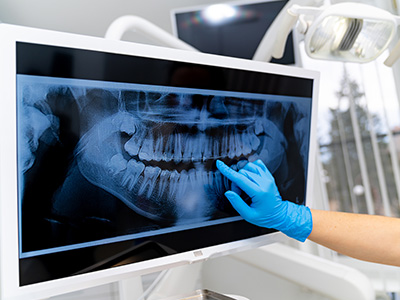
One of the most tangible benefits of digital records is how they enhance patient engagement. Clinicians can display images and treatment simulations on a chairside monitor to walk patients through findings and explain recommended options. Visual explanations help people understand their oral-health status and weigh decisions with clear context rather than abstract descriptions.
Digital portability also simplifies transitions of care. With patient consent, records can be shared electronically with specialists, labs, or new dental providers so continuity is preserved. This is particularly helpful when coordinating care with the practice’s on-site periodontist or when a patient moves to a different provider but needs an accurate transfer of their dental history.
Finally, having complete, accessible records supports proactive outreach and follow-up. Reminders for routine cleanings, periodontal maintenance, or scheduled reevaluations are more reliable when the underlying data is organized and up to date. That combination of transparency and accessibility helps patients stay informed and involved in their oral-health decisions.
In summary, maintaining digital records is central to delivering high-quality, efficient, and secure dental care. The practice uses advanced imaging and structured electronic records to enhance diagnosis, improve coordination, and protect patient privacy. If you’d like to learn more about how digital records are used in our office or have specific questions about your own chart, please contact us for more information.


Ready to book your next dental visit or learn more about our services?
Getting in touch with Vaccaro Aesthetic and Family Dentistry is quick and easy. Our friendly team is here to help with scheduling, answering questions about treatments, and addressing any concerns. Whether by phone or our convenient online form, we make connecting with us easy. Take the first step toward a healthier, more confident smile—contact us today and experience personalized dental care that truly makes a difference.

Back to top
