

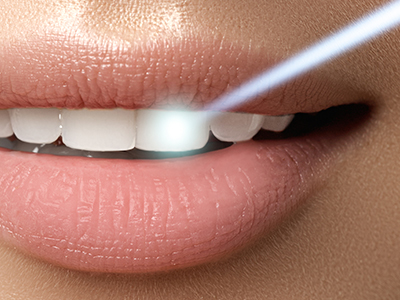
Diode laser dentistry uses focused light energy to perform many soft-tissue procedures with a level of precision that traditional instruments cannot always match. A diode laser is specifically optimized for soft tissue and hemostasis, making it ideal for procedures such as gum reshaping, periodontal therapy, frenectomies, and minor oral surgeries. In practice, the dentist selects the appropriate diode laser settings based on the treatment goal and the properties of the tissue being treated.
The way a diode laser interacts with oral tissue depends on the intensity, pulse duration, and wavelength. At appropriate settings, the laser can cut soft tissue, vaporize diseased cells, seal small blood vessels, or assist in preparing tissue for restorative procedures. Because energy is delivered in a controlled, targeted manner, the surrounding healthy tissue often remains largely unaffected. This selective action is a major reason dentists choose diode lasers for delicate or cosmetically sensitive areas.
Diode lasers are adjuncts to — not replacements for — proven dental techniques. They integrate with diagnostics, anesthesia choices, and restorative materials to create tailored treatment plans. When used appropriately, diode laser therapy can enable procedures that are often faster, more comfortable, and more conservative than traditional methods.
Diode lasers are versatile and support a range of soft-tissue dental services. In periodontal care, they are used to remove inflamed tissue and reduce bacterial load in pockets around teeth, supporting other periodontal therapies. For soft-tissue contouring and frenectomies, diode lasers offer precise reshaping with minimal bleeding, improving both function and aesthetics while reducing recovery time compared with scalpel techniques.
Diode lasers can assist in restorative workflows as well, helping to prepare soft tissue margins for crowns and veneers, manage small oral lesions or perform biopsies with minimal disruption, and even improve tissue condition for bonding procedures. Additionally, some diode laser wavelengths are effective for accelerating in-office teeth whitening by activating bleaching agents in a controlled way.
Beyond these examples, diode lasers are used for minor procedures such as treating aphthous ulcers or performing small gum surgeries. The decision to use a diode laser depends on clinical criteria, tissue type, and the practitioner’s judgment about the most effective, least invasive approach for each patient.
One of the clearest benefits patients notice with diode laser dentistry is improved comfort. Many soft-tissue diode laser procedures are non-contact and generate little vibration, reducing anxiety and often minimizing the need for local anesthesia. The precise energy delivery results in less trauma to nearby tissues, which can mean less postoperative soreness or tenderness.
Hemostasis is another advantage: diode lasers can seal tiny blood vessels as they work, decreasing intraoperative bleeding and improving the clinician’s visibility during procedures. Reduced swelling and inflammation are common expectations following properly performed laser therapy.
In many cases, tissue treated with a diode laser heals differently than tissue incised with traditional instruments. Sealed wound edges and the sterilizing effect of the laser can promote favorable healing and lower the risk of bacterial contamination. While outcomes vary by procedure and individual healing response, patients often find the overall experience and recovery more comfortable.
Before a diode laser appointment, your dentist will review your medical and dental history, evaluate the treatment area, and explain why a diode laser is an appropriate option. This planning includes discussing alternatives, benefits, and any precautions related to your health or medications.
During the procedure, the clinician positions the diode laser handpiece and uses calibrated settings for the intended tissue interaction. Because diode lasers often work without pressure or direct contact, the experience is usually quieter and less jarring than mechanical instruments. Protective eyewear is provided for both patient and team members, and clinical staff monitor comfort and tissue response throughout the appointment.
After the procedure, postoperative instructions reflect the specific treatment received. Many patients return to normal activities quickly, with only mild discomfort. Follow-up visits ensure proper healing and allow the dentist to address any questions.
Diode lasers are medical devices that require specialized training to use safely and effectively. Clinicians undergo manufacturer training and continuing education to learn proper settings, protective measures, and indications. Safety protocols include protective eyewear, selecting appropriate power and delivery modes, and maintaining communication with the patient during treatment. Modern diode lasers also include built-in safeguards for precise energy delivery.
At Vaccaro Aesthetic and Family Dentistry, we integrate diode laser therapy into a practice philosophy emphasizing conservative, evidence-based care. The choice to use diode lasers is guided by clinical indications and patient goals. Patients benefit when technology is applied judiciously by a trained team with attention to individual needs and long-term oral health.
Diode laser dentistry offers precise, minimally invasive options for many soft-tissue procedures. When used appropriately, it can enhance comfort, reduce healing time, and improve clinical control. To learn whether diode laser treatment is right for your dental needs, please contact our office.


Diode laser dentistry uses focused light energy to perform precise soft-tissue procedures. Diode lasers emit a concentrated beam that is absorbed by pigmented tissues, enabling cutting, coagulation, or vaporization depending on settings. This modality is particularly well suited to gingival reshaping, frenectomies, and minor oral surgeries where fine control matters.
Compared with mechanical instruments, a diode laser can reduce bleeding and limit trauma to adjacent healthy tissue through selective energy delivery. Energy parameters such as wavelength, power, and pulse duration are adjusted to match the clinical objective and tissue characteristics. When used appropriately, diode lasers can shorten procedure time and improve visibility for the clinician.
A diode laser interacts with oral tissue through absorption of its light energy by chromophores like hemoglobin and melanin. The degree of interaction depends on wavelength, power, and whether the beam is continuous or pulsed. At certain settings the laser will cut soft tissue, while at others it will coagulate blood vessels or disinfect a surface.
Because energy is confined to a targeted zone, surrounding healthy tissue is often spared from thermal damage when protocols are followed. This selective action helps maintain tissue architecture and reduce postoperative inflammation. Clinicians monitor tissue response continuously and adjust parameters to ensure safe, effective outcomes.
Diode lasers are commonly used in periodontal therapy to remove inflamed tissue and help reduce bacterial load in periodontal pockets. They also assist with soft-tissue contouring to improve smile aesthetics and facilitate restorative margins for crowns and veneers. Frenectomies, treatment of aphthous ulcers, and small mucosal biopsies are additional common indications.
Some wavelengths can activate in-office bleaching agents, allowing controlled acceleration of teeth whitening treatments. Diode lasers may also be used to manage minor oral lesions and to perform hemostasis during minor surgeries. The decision to use a diode laser depends on clinical criteria, tissue type, and the practitioner's assessment of the least invasive approach.
Many patients experience less discomfort with diode laser procedures than with traditional scalpel or rotary instruments. Diode lasers often reduce the need for local anesthetic because they produce minimal vibration and can seal nerve endings as they work. However, the need for anesthesia varies by procedure and patient sensitivity, and dentists will recommend appropriate pain control when necessary.
Protective eyewear is required for patients and staff to guard against accidental exposure to laser light. Clinicians also monitor tissue temperature and adapt settings to minimize thermal effects and maintain comfort. Postoperative soreness is typically mild, and prescribed aftercare focuses on hygiene and preventing irritation to the treated area.
Healing after diode laser treatment often involves less bleeding, swelling, and inflammation compared with traditional incisions. The laser's ability to seal small blood vessels and provide a degree of surface sterilization can contribute to a cleaner wound environment. Sealed wound edges may promote more predictable soft-tissue healing in many minor procedures.
Recovery timelines depend on the type and extent of the procedure, but many patients return to normal activities quickly with only short-lived discomfort. Clinicians schedule follow-up visits to monitor healing, remove any necessary dressings, and address potential complications early. Adherence to postoperative instructions—such as gentle oral hygiene and avoiding irritants—supports optimal recovery.
Diode lasers are regulated medical devices and require formal training for safe, effective use. Dentists complete manufacturer training, clinical protocols, and continuing education to learn appropriate power settings, delivery techniques, and safety measures. Proper training includes understanding tissue interactions, patient selection, and emergency precautions.
Standard safety protocols include wearing protective eyewear, using calibrated equipment, and employing clinical safeguards to prevent inadvertent exposure. Modern diode units often include built-in safety features and precise power controls to enhance reliability. Patients should feel free to ask about their clinician's laser training and safety procedures before treatment.
Diode lasers are adjunctive tools designed to complement, not replace, established dental techniques. They integrate with diagnostics, anesthesia choices, and restorative materials to create individualized treatment plans. In many cases lasers make procedures faster, more conservative, or more comfortable, but traditional approaches remain essential for certain tasks.
Effective use requires clinical judgment about when laser therapy will offer a clear benefit and when conventional instruments are preferable. For complex surgical or hard-tissue procedures, other technologies or referrals may be indicated. A collaborative approach ensures that patients receive the safest and most appropriate care.
In periodontal care, diode lasers can aid in removing inflamed soft tissue and reducing bacterial presence in periodontal pockets. When used alongside scaling and root planing, laser therapy may improve access and visibility for thorough debridement. Laser-assisted procedures can also help in recontouring gingival tissue to promote healthier pocket anatomy.
Clinical outcomes depend on periodontal disease severity, oral hygiene, and the overall treatment plan. Laser therapy is one component of comprehensive periodontal management that typically includes nonsurgical or surgical interventions as indicated. Regular maintenance and patient cooperation are crucial to sustain long-term periodontal health.
Diode lasers can play a supporting role in restorative workflows by preparing soft tissue margins and improving conditions for accurate impressions and bonding. They enable precise gingival recontouring and hemostasis, which help clinicians achieve optimal restorative margins for crowns and veneers. For small lesions, lasers allow minimally disruptive biopsies or excisions that preserve tissue for pathology when required.
In cosmetic whitening, certain diode laser wavelengths can activate bleaching agents to accelerate in-office whitening under controlled conditions. The additional heat and light exposure are carefully managed to protect the tooth and soft tissues. A thorough assessment ensures that laser-accelerated whitening is used appropriately and safely for each patient.
Before a diode laser appointment, your dentist will review your medical and dental history, evaluate the treatment area, and explain why a laser is recommended. This review includes discussions about medications, bleeding disorders, and any photosensitive conditions that could affect treatment. Patients should follow preoperative instructions such as arriving with clean oral hygiene and asking questions about the planned steps.
During the appointment you will wear protective eyewear and the clinician will use calibrated laser settings while monitoring tissue response and comfort. Procedures tend to be quieter and less invasive than mechanical alternatives, and postoperative instructions will be tailored to the specific treatment. For questions about whether diode laser therapy is right for you, contact Vaccaro Aesthetic and Family Dentistry in Green Village, NJ to schedule a consultation.

Ready to book your next dental visit or learn more about our services?
Getting in touch with Vaccaro Aesthetic and Family Dentistry is quick and easy. Our friendly team is here to help with scheduling, answering questions about treatments, and addressing any concerns. Whether by phone or our convenient online form, we make connecting with us easy. Take the first step toward a healthier, more confident smile—contact us today and experience personalized dental care that truly makes a difference.

Back to top
